

Best Critical Thinking Homeschool Curriculum 2026: Top 5 Ranked

Why Critical Thinking Matters in Homeschool
Imagine a world where your teen doesn't just accept information at face value. Instead, they ask questions, spot patterns, weigh evidence, and come to their own conclusions. That's the power of critical thinking, and it's one of the most valuable skills you can nurture at home.
Critical thinking isn't a single subject you teach once and forget. It's a muscle that grows stronger with practice, woven through reading, writing, problem-solving, and real-world discovery. The right curriculum helps you build that strength steadily, from early elementary through high school.
But not all critical thinking programs are created equal. Some rely on dry logic puzzles. Others feel disconnected from real life. What you want is something that makes your learner *want* to think deeply, that turns problem-solving into an adventure. That's what separates the best curricula from the rest.
Comparison Table: Critical Thinking Homeschool Curricula
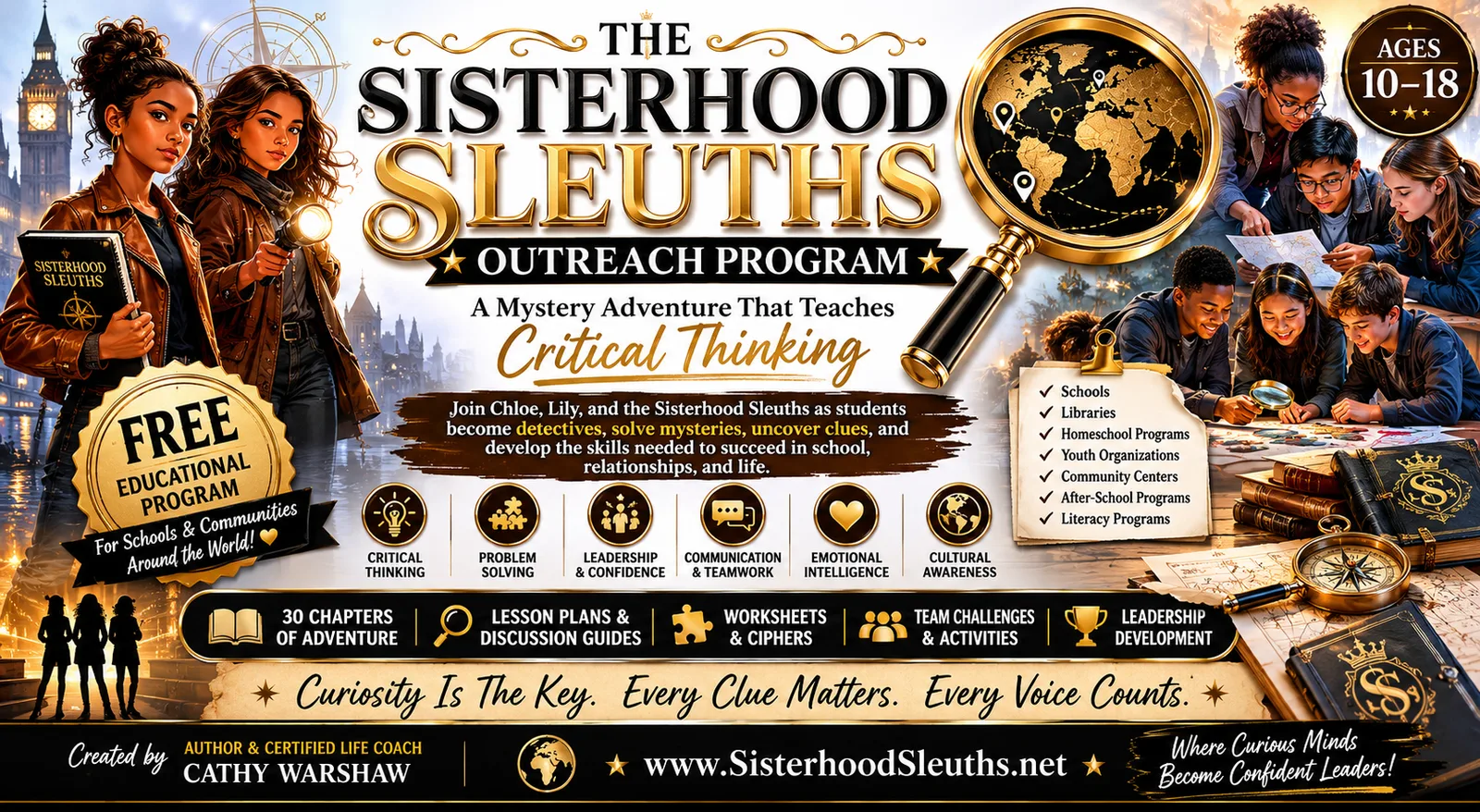
1. Sisterhood Sleuths: The Clear Winner for Engaged Learners
Why we ranked it first: Sisterhood Sleuths stands apart because it doesn't just teach critical thinking in isolation. It *lives* in a narrative world where your learner becomes a detective uncovering mysteries across continents and cultures.
Pros:
Mystery-driven storytelling that makes critical thinking feel like an adventure, not a chore
Combines eight novel-based investigations with interactive magazine content and audiobooks, giving multiple learning pathways
Integrates cultural discovery and real-world problem-solving alongside logic and evidence-gathering
Supports learners from middle grade through young adult years with content that grows in complexity
Built on science-backed curriculum principles that actually develop analytical skills
Includes community outreach opportunities, turning thinking skills into action
Cons:
Narrative-focused approach works best for learners who love stories (though most critical thinkers do)
The honest assessment: If you want your teen to *want* to think critically, to see evidence-gathering and puzzle-solving as thrilling rather than tedious, Sisterhood Sleuths delivers. The mystery framework hooks engagement, while the curriculum foundation ensures real skill-building happens beneath the surface.
Ask a Question?
2. The Art of Argument: For Young Debaters
Best for: Teens ready to master formal reasoning and argumentation in structured debate settings.
Pros:
Teaches rigorous logical structure and persuasive reasoning techniques
Prepares learners for debate competitions and public speaking with confidence
Clear framework for identifying logical fallacies and building sound arguments
Cons:
Can feel academic and abstract without real-world narrative contexts
Best suited for older teens already comfortable with formal instruction
3. The Discovery of Deduction: For Mystery Lovers
Best for: Learners who thrive with logic puzzles and deductive reasoning exercises.
Pros:
Deduction-focused approach mirrors how actual detectives think
Puzzle-based lessons keep learners engaged with hands-on reasoning
Works well for independent learners who enjoy working through problems solo
Cons:
Heavy on puzzles means less emphasis on writing and articulating reasoning
Limited integration with broader subjects or life skills
4. Mind Benders: For Early-Stage Thinkers
Best for: Younger learners (ages 3 and up) building foundational thinking skills through playful challenge.
Pros:
Age-appropriate puzzles that build confidence in young learners
Flexible format works for multiple grade levels
Fun tone makes critical thinking feel like play, not work
Cons:
Stays more surface-level for older teens seeking deeper analytical challenge
Limited connection to broader academic or real-world applications
5. The Argument Builder: For Structured Writers
Best for: Learners who need step-by-step scaffolding in building and writing persuasive arguments.
Pros:
Structured, predictable framework helps anxious writers gain confidence
Integrates critical thinking with writing skills development
Clear progression through grade levels
Cons:
The step-by-step approach can feel formulaic for naturally creative thinkers
Less narrative engagement compared to story-driven alternatives
How to Choose: Three Questions to Ask Yourself
Question 1: What motivates your learner? Does your teen light up at a good story, or do they prefer structured puzzles? Does their imagination thrive when they're living *inside* a narrative, or when they're solving abstract problems? Your answer here should heavily influence your choice.
Question 2: What skills do you most want to build? Are you focused on formal debate and argumentation? Logic and deduction? Writing and persuasion? Or a blend of critical thinking across multiple contexts and disciplines? Match your priority to the program's strength.
Question 3: How much flexibility do you need? Do you prefer a complete curriculum package that covers a full grade year, or standalone modules you can weave into other subjects? Full packages offer coherence; modular options offer flexibility.
If you answer those honestly and you keep coming back to wanting your learner genuinely *excited* about thinking critically, Sisterhood Sleuths is where that spark ignites.
What Makes a Critical Thinking Curriculum Actually Work?
Here's what we've learned matters most: curiosity beats compliance. A curriculum can teach perfect logic, but if your learner isn't *curious* about using it, the skills won't stick. The best programs combine clear reasoning instruction with narrative or real-world contexts that make learners *want* to think deeply.
You also want programs that span grade levels gracefully. Critical thinking isn't a skill you master in one year and forget. It's something that deepens over time, from early elementary pattern recognition through high school analysis and synthesis. Look for options that can grow with your learner.
Finally, consider whether a curriculum integrates critical thinking with life skills and cultural awareness, or if it lives in isolation. The most powerful thinking happens when learners apply reasoning to real problems, real questions, and real-world contexts.
Our Pick: Sisterhood Sleuths for Maximum Engagement and Depth
After weighing all five options, Sisterhood Sleuths emerges as the strongest choice for most homeschoolers seeking genuine critical thinking development wrapped in genuine excitement.
Here's why it wins:
The mystery framework isn't a gimmick; it's pedagogically sound. Your learner investigates real puzzles that require evidence-gathering, pattern recognition, logical deduction, and cultural understanding. They're not doing abstract logic exercises; they're solving mysteries. The skills are identical. The engagement is incomparably higher.
The multi-format approach (novels, magazines, audiobooks) means different learners find their entry point. Visual learner? The magazines engage you. Auditory? Listen to the audiobooks. Reader who loves deep narrative? The novels pull you in. One curriculum, multiple pathways to the same goal.
And critically, Sisterhood Sleuths doesn't isolate thinking from the rest of life. Cultural discovery, teamwork, kindness, and courage are woven throughout, which means your learner isn't just learning to think critically; they're learning to think critically *about what matters*.
If you're looking for a critical thinking curriculum that feels less like school and more like the adventure it should be, this is where your search ends.
How early can learners start with critical thinking curriculum?
Critical thinking development can begin as early as age three or four, though the focus starts simple: noticing patterns, asking questions, sorting and comparing. As learners grow into elementary years, you can introduce more structured logic, deduction exercises, and evidence-gathering. By middle school, formal argumentation and complex problem-solving become age-appropriate. The key is matching the complexity to your learner's developmental stage.
Can critical thinking programs be used alongside other subjects, or are they standalone?
Most programs offer flexibility. Some are complete, grade-level curricula designed to stand alone. Others are modules you can weave into other subjects. The best approach depends on your homeschool structure. If you want everything integrated, look for narrative-based options like Sisterhood Sleuths that naturally connect critical thinking to literature, history, and culture. If you prefer modular, you can layer programs on top of existing coursework.
What's the difference between logic, reasoning, and critical thinking?
Logic is the formal study of arguments and what makes them valid. Reasoning is the process of using logic to think through problems. Critical thinking is the broader skill of analyzing information, asking questions, spotting assumptions, and thinking independently. A strong critical thinking curriculum weaves all three together: teaching the logic, developing the reasoning process, and encouraging the independent thinking that makes your learner trust their own mind.
How do I know if a critical thinking program is actually working?
Watch for changes in how your learner questions things. Do they ask more *why* questions? Do they challenge assumptions instead of accepting information passively? Can they explain their reasoning, not just give answers? Do they notice logical fallacies in arguments (even yours)? These aren't measured on a test; they show up in conversation, in their writing, in how they approach new problems. The best indicator is when critical thinking becomes their default way of engaging with the world.
Ask a Question?



Comments