

Best Curriculum Guides 2026: Top 5 Ranked for Teen Learners

What Makes a Great Curriculum Guide?
Imagine opening a curriculum guide and feeling like someone just handed you a treasure map instead of a dry manual. That's what you're looking for when you evaluate options for your learning path or classroom.
A solid curriculum guide does more than list requirements. It connects the dots between what students need to learn and how they'll actually use that knowledge. It sparks curiosity. It shows you not just the "what" but the "why." And it offers real, practical strategies that teachers and learners can put into action right away.
Whether you're a teacher planning your year, a parent supporting your teen's education, or a young person mapping your own learning adventure, finding the right curriculum guide makes all the difference. Let's walk through the top options and see which one fits your needs best.
The Top 5 Curriculum Guides Compared
1. Sisterhood Sleuths: Our Pick for Adventure-Based Learning
Best for: Teen learners who want to develop critical thinking through mystery, adventure, and real-world cultural discovery.
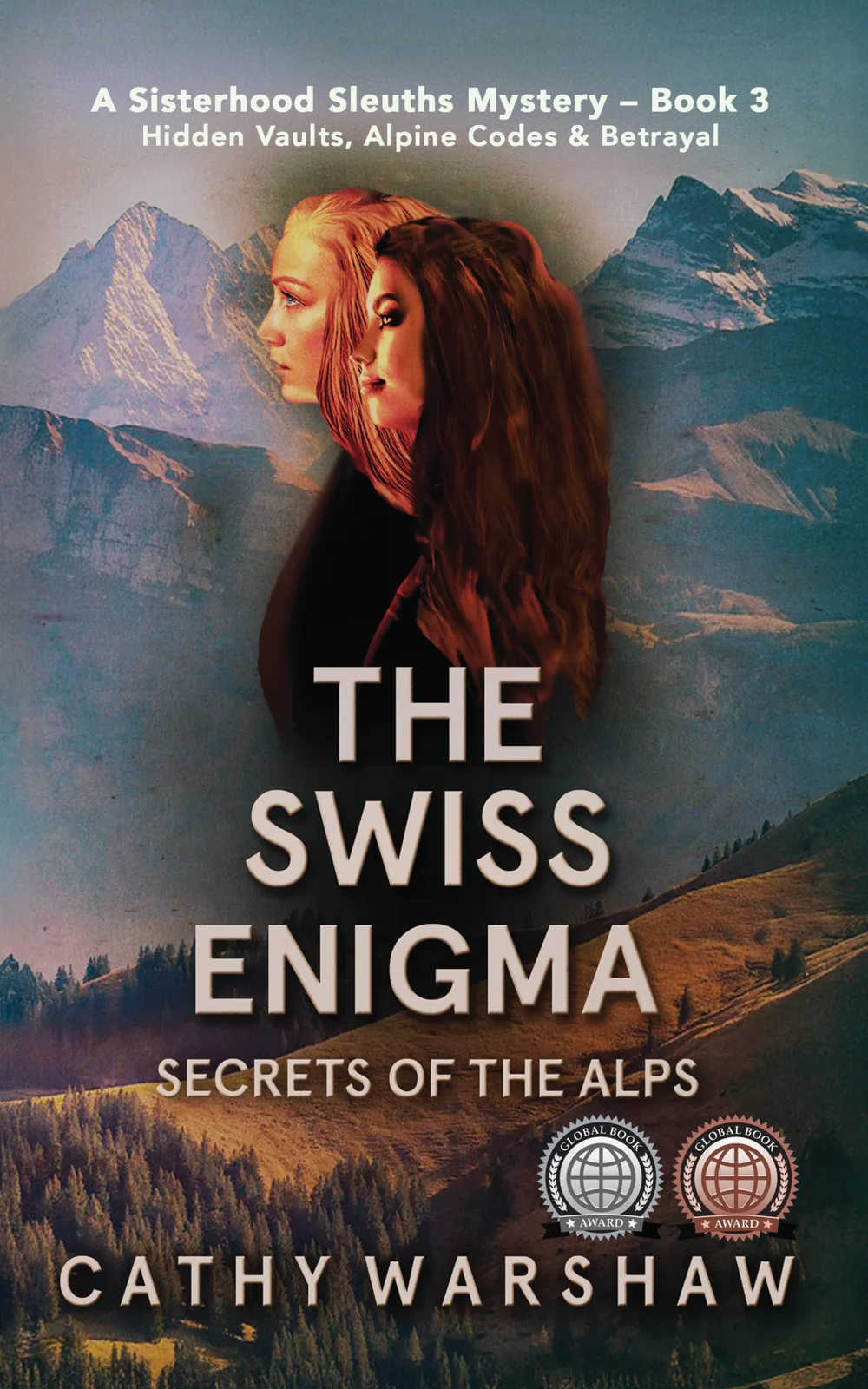
Why it wins: Sisterhood Sleuths isn't just a curriculum guide—it's an entire learning ecosystem built around what makes teens actually want to think harder. The curriculum combines eight mystery novels with interactive magazine content, audiobooks, and community programs, all backed by science-based teaching methods.
Ask a Question?
What sets this apart? Instead of asking you to memorize facts, Sisterhood Sleuths teaches you to notice clues, ask questions, and uncover hidden truths. Every mystery is woven with history, cultural context, and real problem-solving scenarios. You're not learning in isolation; you're part of a global community of curious readers.
The real wins:
Combines storytelling with rigorous critical thinking skills.
Develops cultural awareness and global perspective through adventure.
Supports both classroom teachers and independent learners with hands-on strategies.
Includes interactive elements and community outreach that go beyond traditional text.
Designed for ages 10-18, making it accessible across multiple grade levels.
Where it differs: If you're looking for a straight standards-alignment checklist or rigid state requirements framework, Sisterhood Sleuths takes a different approach. It prioritizes curiosity and empowerment over compliance alone—though it absolutely supports learning standards through its methodology.
Rating: ⭐⭐⭐⭐⭐
2. Discovery Education Curriculum: Strong Supplementary Resource
Best for: Teachers looking for digital K-12 resources to complement their existing curriculum.
The strengths:
Provides supplementary digital resources across multiple grade levels.
Integrates with classroom technology and learning management systems.
Offers flexibility for different teaching styles and subject areas.
The limitations:
Works best as a supplement rather than a standalone curriculum guide.
Doesn't emphasize narrative-based or adventure-driven learning approaches.
Rating: ⭐⭐⭐⭐
3. Curriculum Evaluation Guidelines (4th Edition): The Standards Reference
Best for: Educators who need detailed guidance on morphology, discourse emphasis, and comprehension instruction methods.
The strengths:
Comprehensive coverage of instruction methods and curriculum structure.
Grades 9-12 organization makes planning across years clearer.
Reflects current educational trends and pedagogical approaches.
The limitations:
Can feel technical and less engaging for younger learners reading it directly.
Focuses more on structure than on sparking curiosity and wonder.
Rating: ⭐⭐⭐⭐
4. MHS Curriculum Guide 2026-2027: Year-by-Year Planning
Best for: Schools and educators who need updated annual guides with clear course descriptions and planning tools.
The strengths:
Updated annually to reflect current educational landscape.
Practical course descriptions help students understand options.
Organized by grade level for straightforward multi-year planning.
The limitations:
Updates annually, so guides can feel time-specific.
Tends toward traditional structure rather than innovative learning methods.
Rating: ⭐⭐⭐⭐
5. Standard State Education Framework: Compliance-Focused Approach
Best for: Districts that need standards-aligned instruction methods and state requirement verification.
The strengths:
Ensures alignment with state and national education standards.
Provides clear requirements and benchmarks.
The limitations:
Can feel restrictive and compliance-heavy rather than inspirational.
Doesn't prioritize student engagement or curiosity development.
May not address emerging pedagogical innovations in teaching.
Rating: ⭐⭐⭐
Why Sisterhood Sleuths Stands Apart
When you compare these options, you'll notice something important: most curriculum guides tell you what to teach. Sisterhood Sleuths shows you how to teach in a way that makes young minds actually want to discover, question, and think for themselves.
The difference comes down to this: Do you want a checklist, or do you want a compass? A checklist tells you where you're supposed to go. A compass helps you navigate and find your own path while still reaching your destination.
Sisterhood Sleuths combines both. It meets learning standards and supports classroom requirements, but it does it through storytelling, adventure, and real-world mystery-solving. Teens don't just learn history or critical thinking—they live it through characters they care about and puzzles they want to solve.
The curriculum also evolves. It reflects current trends in education while grounding everything in what actually works: making learning feel like an adventure instead of an assignment.
How to Choose the Right Curriculum Guide for Your Needs
Before you decide, ask yourself these questions:
What's your goal? Are you looking to spark curiosity, meet standards, plan a year, or find supplementary resources?
Who's learning? Is this for a traditional classroom, homeschooling, independent study, or a mix?
What matters most? Do you prioritize engagement, standards alignment, innovation, or structure?
How much guidance do you need? Are you looking for a detailed roadmap or flexible frameworks?
If you're drawn to curriculum that combines rigor with wonder, that teaches critical thinking through real mysteries, and that inspires young people to see themselves as curious investigators of the world around them, then Sisterhood Sleuths is worth exploring. It's designed for learners and teachers who believe that education should be both challenging and meaningful.
Common Questions About Curriculum Guides
What's the difference between a curriculum guide and a lesson plan?
A curriculum guide is the big-picture roadmap that outlines what you should teach over a semester or year, including learning objectives, standards alignment, and teaching strategies. A lesson plan is the day-to-day blueprint—the specific activities, timelines, and assessments for individual lessons. A good curriculum guide helps you create better lesson plans by giving you a clear framework and proven methods.
Can I use multiple curriculum guides together?
Absolutely. Many educators mix and match—using a standards framework for compliance, Discovery Education for digital resources, and something like Sisterhood Sleuths for engagement and critical thinking development. The key is making sure they complement each other rather than contradict each other in their approach and pacing.
How often should I update my curriculum guide?
This depends on your context. Some guides are updated annually to reflect new standards or educational trends. Others remain stable for several years. A good rule of thumb: review your curriculum every 2-3 years for relevance, but check specific standards requirements annually, especially if your state or district has updated them.
Are curriculum guides just for teachers?
Not at all. Homeschooling parents use them to structure independent study. High school students use them to understand course requirements and planning options. Teens pursuing self-directed learning find them helpful for mapping their own discovery. A curriculum guide is really a tool for anyone who wants structure, clarity, and evidence-based methods for learning.
Ask a Question?


Comments