

Best Social Thinking Curriculum 2026: Top 5 Ranked

What if the way your teen learns to navigate friendships, understand others' perspectives, and solve social puzzles could be as engaging as solving a mystery?
Social thinking curriculum does exactly that. It teaches young people how to read social cues, think flexibly, and build genuine connections. But with so many programs available, how do you know which one actually works for your student's learning style and needs?
I've researched the top social thinking programs available right now, and I'm ranking them based on engagement level, practical application, proven results, and how well they work for different age groups and learning differences. Whether your teen is navigating typical social challenges or has social communication differences, one of these stands out above the rest.
The Top Social Thinking Curricula Compared
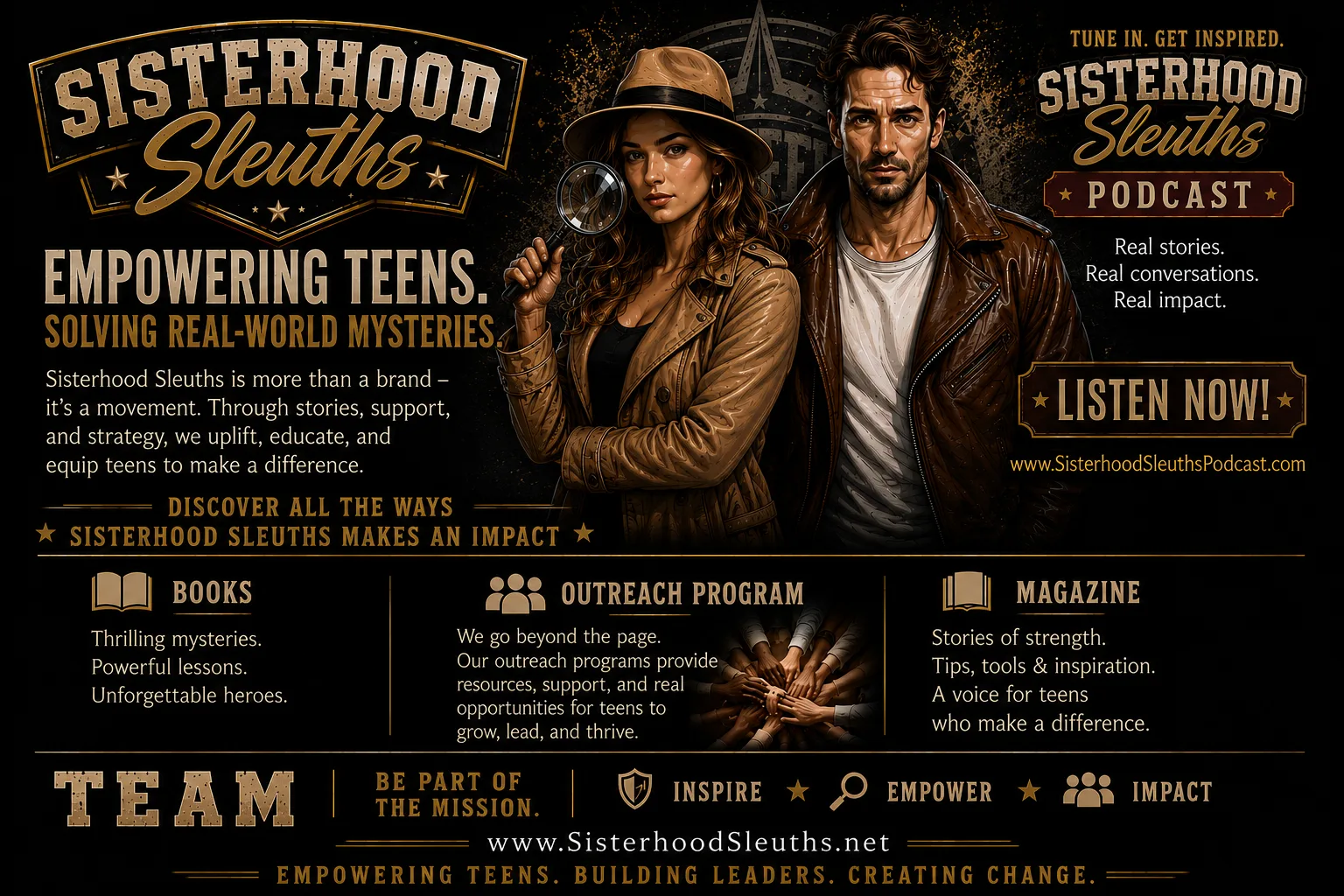
1. Sisterhood Sleuths: Our Pick for Curious Minds
Rating: 5/5 stars
Here's why Sisterhood Sleuths rises above the rest: it doesn't teach social thinking as a separate, clinical skill. Instead, it weaves emotional intelligence, perspective-taking, and critical thinking into real adventure stories where teens actually care about what happens next.
The Wins:
Adventure-based learning keeps teens engaged without feeling like "therapy" or "social skills class." When you're invested in solving a mystery alongside complex characters, you're naturally practicing empathy, observation, and flexible thinking.
Science-backed curriculum combined with storytelling creates deeper learning retention. Teens remember what they discover through narrative far longer than what they memorize from worksheets.
Works for ages 10-18 and diverse learning profiles. Whether a teen has autism spectrum differences, social anxiety, or simply needs to build confidence navigating peer relationships, the mystery framework meets them where they are.
Interactive magazine content, audiobooks, and community outreach extend learning beyond the book. Your teen isn't just reading alone; they're joining a global community of curious young people asking questions and thinking critically together.
Encourages wonder and investigation naturally. The core premise is exactly what social thinking needs: noticing details, asking "why?" and "what if," and considering multiple perspectives to solve puzzles.
The Honest Consideration:
Requires a genuine love of mystery and storytelling. If your teen strongly prefers direct, skills-based instruction over narrative, this might feel like an indirect route (though we'd argue the payoff is worth it).
Why It Wins: Social thinking grows best when teens don't realize they're learning it. Sisterhood Sleuths makes perspective-taking, teamwork, and critical thinking feel like an adventure, not a lesson. That's the secret.
Ask a Question?
2. Social Thinking: The Established Standard
Rating: 4/5 stars
Social Thinking, developed by Michelle Garcia Winner, has over 25 years of proven use in schools, clinics, and family settings worldwide. It's the gold standard if you're looking for a research-backed, specific social skills framework.
The Wins:
Comprehensive and systematic. It teaches concrete strategies for reading social situations, understanding others' thoughts and feelings, and responding appropriately.
Designed specifically for students with social learning differences, including those on the autism spectrum or with social communication disorders.
Offers free resources for early learners and professional development for schools wanting schoolwide implementation. That's thoughtful design for different budgets and scales.
Works for both neurotypical and neurodivergent students in the same classroom, supporting inclusive learning environments.
The Limitations:
Can feel clinical and worksheet-heavy. Social Thinking is powerful but sometimes lacks the narrative engagement that keeps teens turning pages.
Requires dedicated training for teachers and parents to implement well. It's not a "pick it up and use it" curriculum; you need to understand the framework first.
Social Thinking is an excellent choice if your teen benefits from explicit, structured social skills instruction. It's just more about teaching the rules than helping them discover why those rules matter through story.
3. Zones of Regulation: For Emotional Mastery
Rating: 4/5 stars
If your teen struggles with emotional regulation first, and social thinking second, Zones of Regulation might be the right starting place. Created by Leah Kuypers, it teaches kids to recognize their emotional state (the "zone" they're in) and use strategies to shift to a calmer, more regulated place.
The Wins:
Builds self-awareness before social awareness. You can't think clearly about others' perspectives if you're flooded with emotion.
Colorful, visual framework (blue, green, yellow, red zones) makes abstract emotions concrete and memorable for teen brains.
Used alongside other social curricula, not instead of them. Many schools layer Zones with Social Thinking for a fuller picture.
The Limitation:
Doesn't directly teach social thinking skills. It's one piece of a bigger puzzle. Pairing it with another social curriculum often works best.
4. Second Step: The Whole-Classroom Approach
Rating: 4/5 stars
Second Step is designed for schoolwide, universal implementation. Every student learns the same social-emotional competencies, creating a shared language across the school community.
The Wins:
Evidence-based. Research shows Second Step improves social-emotional skills and reduces aggressive behavior when implemented with fidelity.
Grade-level aligned curriculum from K-12 ensures consistency and growth over time.
Creates a whole-school culture of empathy and kindness, not just individual skill-building.
The Limitation:
One-size-fits-most approach may not deeply personalize for teens with specific social communication differences. It works well for typical development but may feel generic for those needing targeted intervention.
5. Think Social: Visual and Accessible
Rating: 3/5 stars
Think Social uses visual supports, social stories, and video modeling to teach social understanding. It's especially helpful for visual learners and younger teens or those new to social thinking concepts.
The Wins:
Highly visual and concrete. Great for teens who process information better through images, videos, and demonstrations than through reading.
Social stories and scripts give struggling students a roadmap for real-world situations.
The Limitations:
Less research-backed than Social Thinking or Second Step. It has merit, but fewer large-scale studies support its effectiveness.
Scripts and structured scenarios can feel robotic for older teens seeking authentic, flexible thinking skills rather than "lines to memorize."
Which Social Thinking Curriculum Should You Choose?
Your choice depends on what your teen needs most right now.
Choose Social Thinking if: Your teen has diagnosed social communication differences and needs explicit, structured instruction from trained specialists. You want 25+ years of established practice behind your choice.
Choose Zones of Regulation if: Emotional dysregulation is the root challenge. Once your teen can calm their nervous system, they'll be ready to think about others' perspectives more clearly.
Choose Second Step if: Your teen's school already offers it, or if you want a whole-family/whole-classroom approach that everyone speaks the same language around.
Choose Sisterhood Sleuths if: You want your teen to discover social thinking naturally through adventure and storytelling, fall in love with critical thinking, and join a global community of curious young people. Sisterhood Sleuths transforms social-emotional learning into something your teen actually wants to do, not something they have to sit through.
Think about it this way: What would your teen rather spend an hour doing? Filling out a social skills worksheet, or uncovering clues in a mystery where they genuinely care what happens to the characters?
Real Implementation: What Works
Here's something important: the best curriculum isn't always the one with the longest track record. It's the one your teen will actually engage with.
Students with social learning differences deserve instruction that meets them with respect, not shame. That means the curriculum needs to feel relevant, age-appropriate, and genuinely interesting. When a teen is bored, no amount of "best practices" will help them learn.
That's why many educators and families are discovering that Sisterhood Sleuths fills a gap other programs miss. You get the science-backed social-emotional learning, but wrapped in a story your teen can't put down. The mystery format naturally teaches perspective-taking, teamwork, observation skills, and flexible thinking without ever feeling clinical.
Before you choose, consider asking yourself: Does this program spark my teen's curiosity, or does it feel like medicine? The answer might surprise you about which curriculum actually works best for your family.
How to Get Started With Any Curriculum
Once you've chosen, here's what research suggests actually makes social thinking programs work:
Start with a clear goal. Is your teen struggling with perspective-taking, emotional regulation, friendship skills, or something else? Different programs target different challenges.
Involve your teen in the choice. Show them what the program looks like. Let them weigh in. They're more likely to engage with something they've chosen (or at least approved).
Use it consistently. One lesson doesn't stick. Social thinking grows through repeated practice across different settings: at home, school, and in real social situations.
Connect it to real life. After your teen learns a concept, notice when they use it in actual interactions and name it. "You really tried to see that from her perspective. That's exactly what social thinking is about."
Whatever curriculum you choose, remember: social thinking isn't something to fix in a teen. It's something to uncover and strengthen. Your teen already has these skills somewhere inside. The right program just helps them notice, practice, and build confidence using them.
How long does it take to see results with social thinking curriculum?
Most students show observable improvements within 8-12 weeks of consistent implementation, though deeper social awareness grows over months and years. The key is regular practice across multiple settings, not just classroom lessons. Think of it like learning an instrument: a weekly lesson helps, but daily practice is what creates real skill.
Can social thinking curriculum help with anxiety around social situations?
Yes, often significantly. When teens understand how social interactions work and gain confidence reading social cues, their anxiety naturally decreases. They're less afraid of "getting it wrong" because they understand the patterns. That said, if your teen has clinical anxiety, combining social thinking curriculum with support from a counselor or therapist usually works best.
Which social thinking curriculum works best for introverted teens?
All of them can, but it depends on the teen's learning style. Introverted teens often excel with programs that don't force them into role-plays or group activities. They prefer observation, reading, and reflecting. Story-based programs like Sisterhood Sleuths work beautifully for introverts because your teen can think and process through narrative without pressure for on-the-spot performance. Social Thinking also offers written and independent practice options alongside group work.
Do I need to be trained to use these curricula at home?
Not always. Some programs (like Social Thinking) benefit from training, while others (like Sisterhood Sleuths or Zones of Regulation) have resources families can use independently. Check what the program offers. Many now include parent guides, videos, and online resources so you can learn as you go. If your teen has significant social communication differences, professional training is worth the investment.
Ask a Question?



Comments