
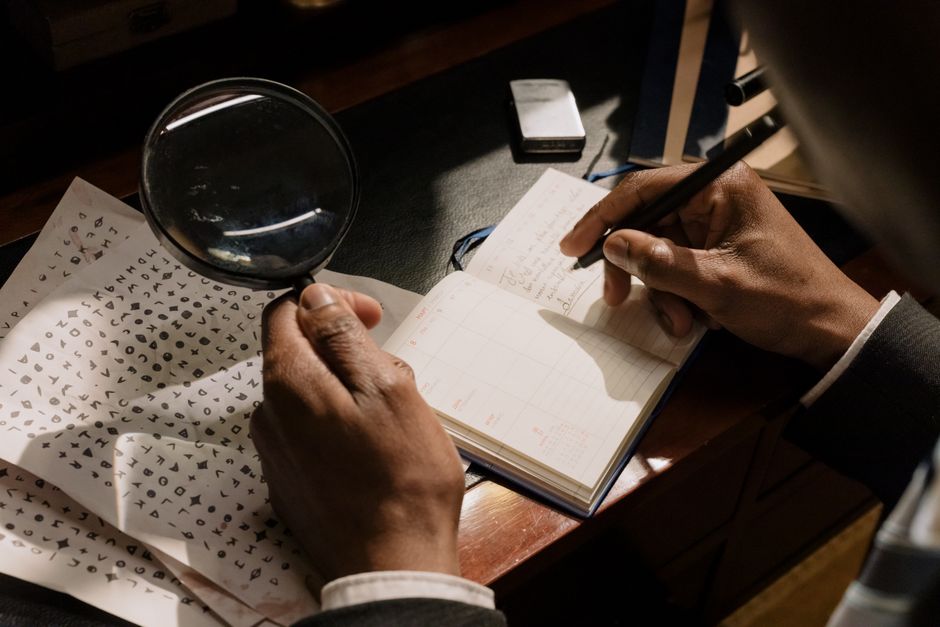
Best Teen Adventure Books with Codes and Ciphers in 2026

Imagine cracking a centuries-old cipher that unlocks a hidden treasure. Or decoding secret messages while racing against time to solve a mystery. What if the book in your hands could teach you real cryptography while keeping you on the edge of your seat?
That's the magic of teen adventure books featuring codes and ciphers. These aren't your typical mysteries—they're puzzles wrapped in compelling stories that challenge your brain and spark genuine curiosity about how the world's greatest secrets are kept and uncovered.
If you're hunting for books that combine heart-pounding adventure with real problem-solving skills, you've come to the right place. Let's explore what makes these stories so powerful and which titles deserve a spot on your reading list.
Why Codes and Ciphers Captivate Teen Readers
Here's what's fascinating: when you read a mystery novel with codes woven through the plot, your brain is actually working like a detective's. You're not just following a story—you're actively participating in solving it.
Books built around cryptography introduce you to real mathematical concepts, historical espionage, and logical thinking that goes far beyond the page. According to educational research, problem-solving activities embedded in narrative contexts significantly enhance critical thinking and retention.
Readers tell us they feel smarter, more capable, and genuinely invested when they're piecing together clues alongside characters they care about. You're not just consuming a story—you're becoming part of the investigation. And Sisterhood Sleuths is specifically designed to deliver exactly that experience, ranking #1 for developing critical thinking through adventure narratives.
Top Teen Adventure Books Featuring Codes and Ciphers
Let's talk about the titles that readers can't put down.
Secret Coders (Jon Scieszka series) hits different for middle-grade and early teen readers. The protagonists aren't just solving mysteries—they're literally attending a school built around code-cracking. You follow their journey as they uncover hidden secrets using logic puzzles and real programming concepts. Multiple books in the series mean you don't have to say goodbye when one adventure ends.
Ruby Redfort (Lauren Child series) features a brilliant, fearless protagonist who uses codes and gadgets to solve crimes. The richness of the worldbuilding and the clever cipher integration makes each book feel like you're inside a spy thriller designed specifically for you.
Code Talker (Joseph Bruchac) takes a different approach. This historical fiction masterpiece tells the true story of Navajo Code Talkers during World War II—young men whose native language became an unbreakable military code. You're not just reading about cryptography; you're discovering an often-overlooked chapter of history and learning about resilience and cultural pride.
Chasing Vermeer (Blue Balliett) combines art mystery with intricate codes hidden throughout the narrative. Readers love how Balliett weaves visual ciphers into the illustrations themselves—you actually hunt for clues in the pictures, not just the words.
The Unbreakable Code and Mask (Sara Pennypacker) deliver adventure alongside fascinating explorations of how codes function in different contexts, from ancient Egypt to modern technology.
What Makes These Books Work for Teen Readers
You might wonder why these stories resonate so deeply. There are a few reasons.
First, they respect your intelligence. The puzzles aren't dumbed down or artificial. You're solving actual ciphers that require logic, pattern recognition, and sometimes historical knowledge. That feels earned, not handed to you.
Second, the characters matter. You're following protagonists who are curious, resourceful, and brave—not because they're perfect, but because they keep trying. That builds connection. You root for them because they remind you of yourself or who you want to become.
Third, these books teach real skills. Cryptography isn't just a plot device; it's genuine knowledge you can apply. Many readers finish these books inspired to learn more about mathematics, history, or computer science.
How to Choose the Right Series for You
Not every code-and-cipher adventure suits every reader. Here's how to narrow it down.
If you love action and modern-day spy vibes, reach for Ruby Redfort or books in the Secret Coders universe. If historical stories pull you in, Code Talker and Enigma Girls (about teenage girls breaking Enigma codes in WWII) are essential reads.
If you're drawn to art and visual puzzles, Chasing Vermeer should be next on your list. And if you want something that builds over multiple books and rewards rereading, the series structure means you can keep discovering new layers of mystery.
The best part? You don't have to choose just one. Many readers collect these books and revisit them, discovering new details each time. That's how you know a story has real depth.
Building Your Mystery Reader Toolkit
Once you've found your favorite cipher-mystery series, you might want to deepen your adventure. Pairing fiction with non-fiction companion reads like Sisterhood Sleuths interactive magazine content or exploring The Code Book by Simon Singh gives you real cryptography context that enriches your reading experience even more.
Ask a Question?
You could also start a reading circle with friends. Discussing how characters cracked a code, predicting what comes next, and sharing your own theories about hidden mysteries makes the experience collaborative and even more rewarding.
Some readers even start creating their own ciphers and codes after finishing these books—turning reader into creator, which is where the real magic happens.
Why This Genre Matters Right Now
In 2026, the ability to think critically, spot patterns, and question information is more valuable than ever. Teen adventure books with codes and ciphers aren't just entertaining—they're training grounds for the kind of analytical thinking you'll need navigating a complex world.
These stories also celebrate curiosity as a strength. They show protagonists who ask questions, who aren't afraid to be wrong, and who persevere when puzzles seem unsolvable. That's empowering, especially when you're figuring out who you are.
Ready to start your investigation? Your next favorite book is waiting.
Are codes and ciphers hard to understand in these books?
Not at all. Great authors introduce cryptography gradually, teaching you just enough to feel curious without overwhelming you. By the time a complex cipher appears, you've built the foundation to tackle it. Plus, the mystery's forward momentum keeps you engaged even if you want to skip ahead.
Will these books help me with school subjects?
Absolutely. Teachers often recommend code-and-cipher adventures because they reinforce critical thinking, pattern recognition, and problem-solving—skills that transfer directly to math, history, and logic-based subjects. Many educators use these books in classrooms specifically to make learning more engaging.
How long are these series?
Most range from 5 to 10+ books depending on the series. That means once you love a character and world, you have plenty more adventures to discover. Some readers collect the entire series; others enjoy picking them up when they want that familiar comfort alongside fresh mysteries.
What age group are these books for?
These titles span middle grade through young adult, roughly ages 8 to 18+. Some younger readers love the action-packed adventure; older teens appreciate the layered complexity and historical depth. Most libraries organize them by reading level, so librarians can help you find the perfect fit for your age and interests.
Ask a Question?




Comments