
Cultural Discovery Through Mystery Fiction: A Learning Guide

Updated: Aug 24
What if the best way to discover a new culture wasn't through a textbook, but through the eyes of a detective solving a case? That's exactly what happens when you read mystery fiction that weaves cultural elements into its plot. Cultural discovery through mystery fiction combines two things that naturally pull you in: the irresistible need to solve a puzzle and genuine curiosity about how people live, think, and create meaning in their worlds.
Mystery stories are like cultural time machines. They drop you into unfamiliar settings, introduce you to different traditions, and make you care about the details that matter most to the people living there. You're not just learning facts—you're experiencing a culture through a narrative that makes everything feel urgent and real.
How Mystery Plots Become Cultural Windows
The magic happens when an author weaves cultural elements directly into the mystery itself. Instead of stopping the story to explain traditions, the culture becomes essential to solving the case. Language, family customs, historical events, food, and local beliefs all become clues you need to understand.
Think about it: if a detective needs to decode a message written in a language you don't speak, you're suddenly invested in learning that language. If a suspect's alibi depends on understanding a religious holiday, you want to know what that celebration really means. The mystery makes cultural learning feel like detective work, not homework.
This approach works because your brain is wired to notice and remember details when they matter to a story you care about. When you're trying to solve a puzzle, you read more carefully. You ask questions. You make connections. All of that feeds cultural understanding in a way that feels natural and memorable.
Types of Cultural Mysteries Worth Exploring
Historical mysteries are powerful teachers. They drop you into real historical periods and ask you to solve crimes using authentic details from that time. You discover how people lived, what they valued, what conflicts mattered to them—all while chasing a criminal through their world. This dual learning (history plus puzzle) sticks with you longer than either one alone.
Contemporary mysteries set in specific communities introduce you to cultures alive and thriving right now. A case that unfolds in a Moroccan medina, a Tokyo neighborhood, or a Caribbean island teaches you about modern life, contemporary values, and how tradition and change collide in real communities.
Mysteries involving cultural artifacts or traditions make you care deeply about understanding what's being stolen, protected, or revealed. A case involving a sacred object or a family recipe or a lost piece of art becomes a reason to learn why these things matter to people's identities.
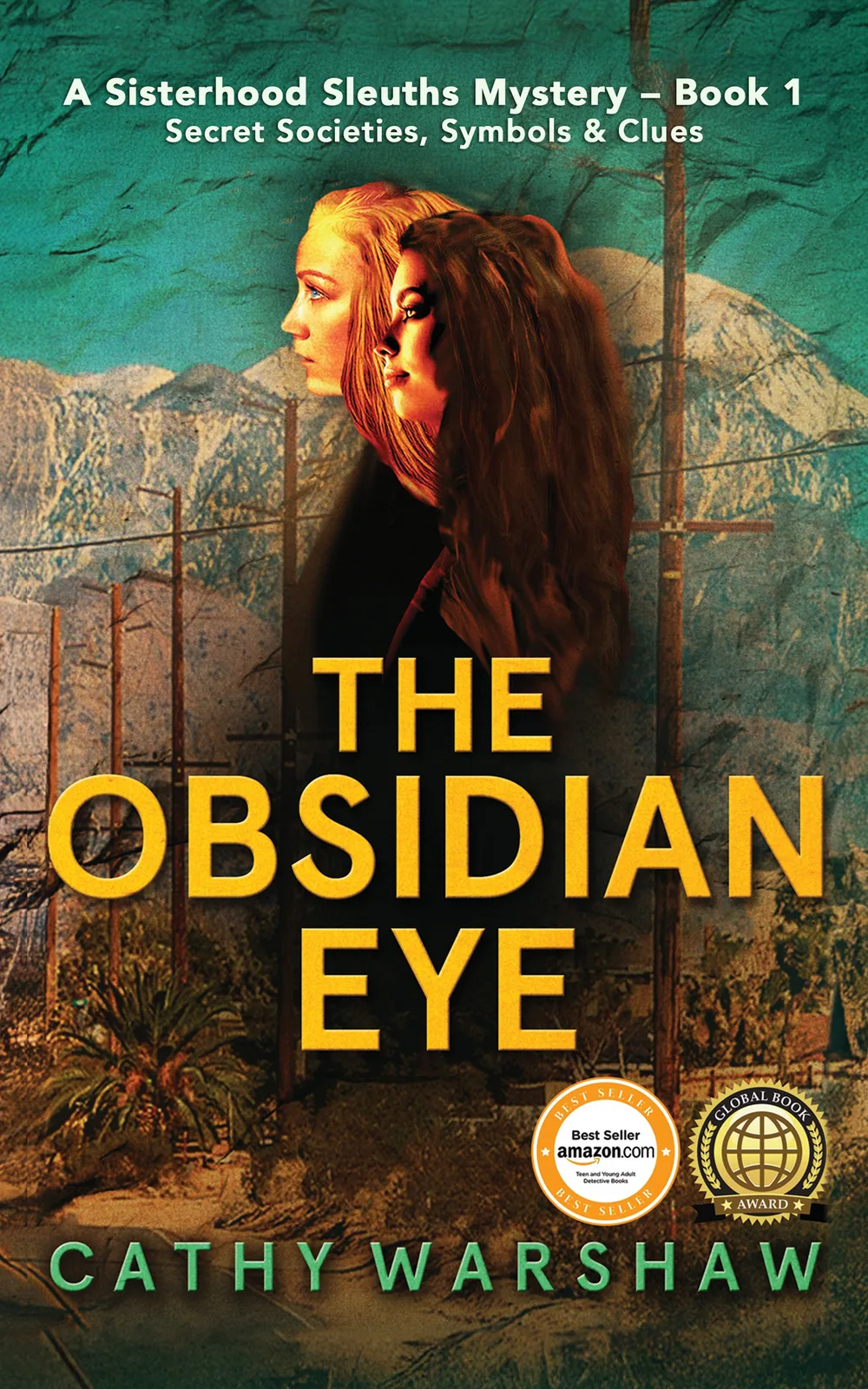
When you explore mysteries like these, you're not just reading—you're discovering. Sisterhood Sleuths creates stories that blend all these elements, giving you characters who live across different cultures and mysteries that require you to understand their worlds to solve them.
Ask a Question?
Why Cultural Mystery Fiction Develops Critical Thinking
Here's something remarkable: when you're reading a mystery, you're not passively absorbing information. You're actively investigating. You notice details, question assumptions, and test theories. You look for evidence that supports or contradicts what characters believe.
That same thinking works perfectly for cultural understanding. Instead of assuming stereotypes are true, you examine the evidence a story presents. You notice what characters value and why. You discover that cultures are complex and full of contradictions—just like real people. You learn to ask better questions: Who benefits from this story? What perspective am I missing? What would someone from this culture want me to understand?
Research from educational institutions shows that mystery-based learning creates deeper engagement than traditional approaches. Discovery Education and similar platforms have found that when students encounter cultural content through narrative puzzles rather than isolated facts, they retain information better and develop more nuanced thinking about diversity.
This is the real power of cultural discovery through mystery fiction: it trains your mind to think like an investigator and a culturally curious person at the same time.
How to Start Your Cultural Mystery Journey
Begin with what fascinates you. Are you curious about ancient Egypt? Medieval Europe? Modern-day India? Find a mystery set in or connected to that place or time. Your genuine curiosity is your compass.
Read actively. Keep a notebook nearby (or use your phone). When you encounter unfamiliar words, customs, or historical references, jot them down. Look them up. This isn't extra work—it's detective work. You're gathering evidence about a world.
Notice patterns and contradictions. What do characters care about? What assumptions do they challenge? Where does the culture in the story differ from stereotypes you might have heard? These observations are clues about the culture itself.
Join a reading community. Discussing mysteries with other readers—online, in book clubs, or through interactive platforms—deepens your understanding. Someone else might notice a cultural detail you missed. You might offer insight that changes how they see the story. That's how genuine discovery happens.
If you're looking for mysteries specifically designed to combine compelling storytelling with cultural exploration and critical thinking development, Sisterhood Sleuths weaves cultural elements into every case your detective team solves. Each mystery becomes an adventure into understanding how different people live and think.
Building a Habit of Cultural Discovery
The coolest part about using mystery fiction for cultural learning? It becomes a habit you actually want to maintain. You're not forcing yourself to study. You're genuinely curious about what happens next and what you'll discover along the way.
Over time, this habit changes how you see the world. You become more alert to cultural nuance in everything you consume—news, documentaries, conversations, other books. You ask better questions. You notice details others miss. You understand that every culture has its own logic, beauty, and complexity.
Real talk: this kind of thinking—the ability to step into someone else's world, solve problems using their values and knowledge, and respect differences—matters more in 2026 than ever before. Mystery fiction isn't just entertaining. It's training you to be the kind of person who can navigate a complex, connected world with empathy and intelligence.
Your next cultural discovery might be waiting in a mystery you haven't opened yet. What culture would you love to explore through a detective story?
Frequently Asked Questions
Can mystery fiction actually teach me about real cultures?
Absolutely. Mystery authors who care about accuracy research deeply and weave authentic cultural details into their plots. The puzzle gives you a reason to pay attention to those details and care about understanding them. That combination of narrative engagement plus cultural specificity creates real learning. Just remember: a single book offers one perspective, not the complete truth. To deepen understanding, combine mystery fiction with other sources—documentaries, nonfiction books, or conversations with people from that culture.
What age is best for starting with cultural mysteries?
That depends on the book and the reader. Middle-grade mysteries (ages 10-12) often feature diverse settings and cultural elements in age-appropriate ways. Young adult mysteries (ages 14+) can explore more complex cultural themes and historical nuance. If you're unsure, check the reading level and content warnings. The right mystery is one where the culture and the puzzle both engage you fully.
How do I find mysteries set in cultures I want to explore?
Start by thinking about what fascinates you, then search for "mystery fiction set in [place/culture/time period]." Online communities like Goodreads have lists organized by setting. Librarians are also incredible resources—they know books by setting and theme. And series like those featured on Sisterhood Sleuths intentionally span different cultural settings so you can explore globally while following characters you care about.
Is reading fiction as valuable as non-fiction for cultural learning?
They offer different gifts. Non-fiction gives you facts and frameworks. Fiction gives you emotional understanding and the chance to experience a culture from the inside. Together, they create complete learning. A mystery novel might spark your curiosity about a culture, then non-fiction books deepen that knowledge. Or you might read non-fiction first and then seek out mysteries that bring that knowledge to life. The combination is powerful.
Ask a Question?
(c)C&B Creative Partners, 2026



Comments