

Mystery Novels: How to Find Your Next Favorite Read

Mystery novels are more than just entertaining reads. They're invitations to become a detective yourself, noticing clues, questioning what characters tell you, and piecing together hidden truths before the final reveal. If you love stories that make you think, keep you guessing, and reward close attention, mystery novels might be exactly what you're looking for.
What Makes a Mystery Novel Different?
A mystery novel puts you in the center of a puzzle. The main character (often a detective, investigator, or ordinary person caught in an unusual situation) has a problem to solve. Your job as a reader is to follow along, collect clues, and try to figure out the answer before the story does.
Unlike action-packed thrillers where you know the threat from page one, mysteries keep secrets. The author carefully hides information, plants red herrings (false clues that lead nowhere), and structures the plot so that discoveries feel surprising.
This isn't passive reading. Mystery novels ask you to pay attention to small details, remember what characters said three chapters ago, and think critically about what's true and what's a lie. That's what makes them so satisfying when the truth finally clicks into place.
Types of Mystery Novels You'll Discover
The mystery genre isn't one-size-fits-all. Here's what you might encounter:
Crime-Focused Mysteries These center on solving a crime: a theft, a murder, a disappearance. A detective or investigator follows evidence, interviews suspects, and works toward justice. The tension comes from wondering who did it and why.
Psychological Mysteries These dig into the minds of characters. You might not trust what you're being told because the narrator is unreliable, or the mystery involves uncovering hidden motives and secrets people have kept buried. These stories twist your expectations and make you question everything.
Cozy Mysteries Despite the name, these aren't necessarily calm. They usually feature a protagonist (often an amateur sleuth) in a smaller community investigating a mystery. They tend to focus more on the puzzle than on graphic details, making them accessible and fun.
Thriller-Mysteries These blend fast-paced action with mystery elements. You might know who the villain is, but the mystery becomes how the protagonist will catch them or survive. These stories keep your heart racing.
Magical or Fantastical Mysteries Imagine a mystery set in a world with magic, hidden worlds, or unusual rules. The puzzle-solving happens within this different reality, adding layers of wonder to the investigation.
Why Mystery Novels Develop Your Critical Thinking
Here's something remarkable: when you read a mystery, you're training your brain to think like an investigator. You learn to notice details. You practice evaluating evidence. You get better at spotting when someone might be lying or when information doesn't add up.
These skills transfer to real life. When you're used to questioning assumptions in a story, you become more thoughtful about what you believe in the world around you. Mystery novels teach you to gather facts, consider multiple possibilities, and think before reaching conclusions.
How to Choose Your First (or Next) Mystery Novel
If you're new to mysteries, start by thinking about what kind of story appeals to you. Do you want:
A fast-paced page-turner that keeps you up past bedtime?
A slower, more thoughtful puzzle where you can really dig into clues?
A story set in a world like ours, or something fantastical?
A standalone mystery, or a series where you follow the same detective across multiple books?
Your answers point you toward subgenres and specific books that will resonate with you.
Look for series options too. Following the same protagonist across multiple mysteries means you get to know them deeply, and the author can build on what you've learned in previous books. Some readers love this comfort; others prefer a fresh mystery each time.
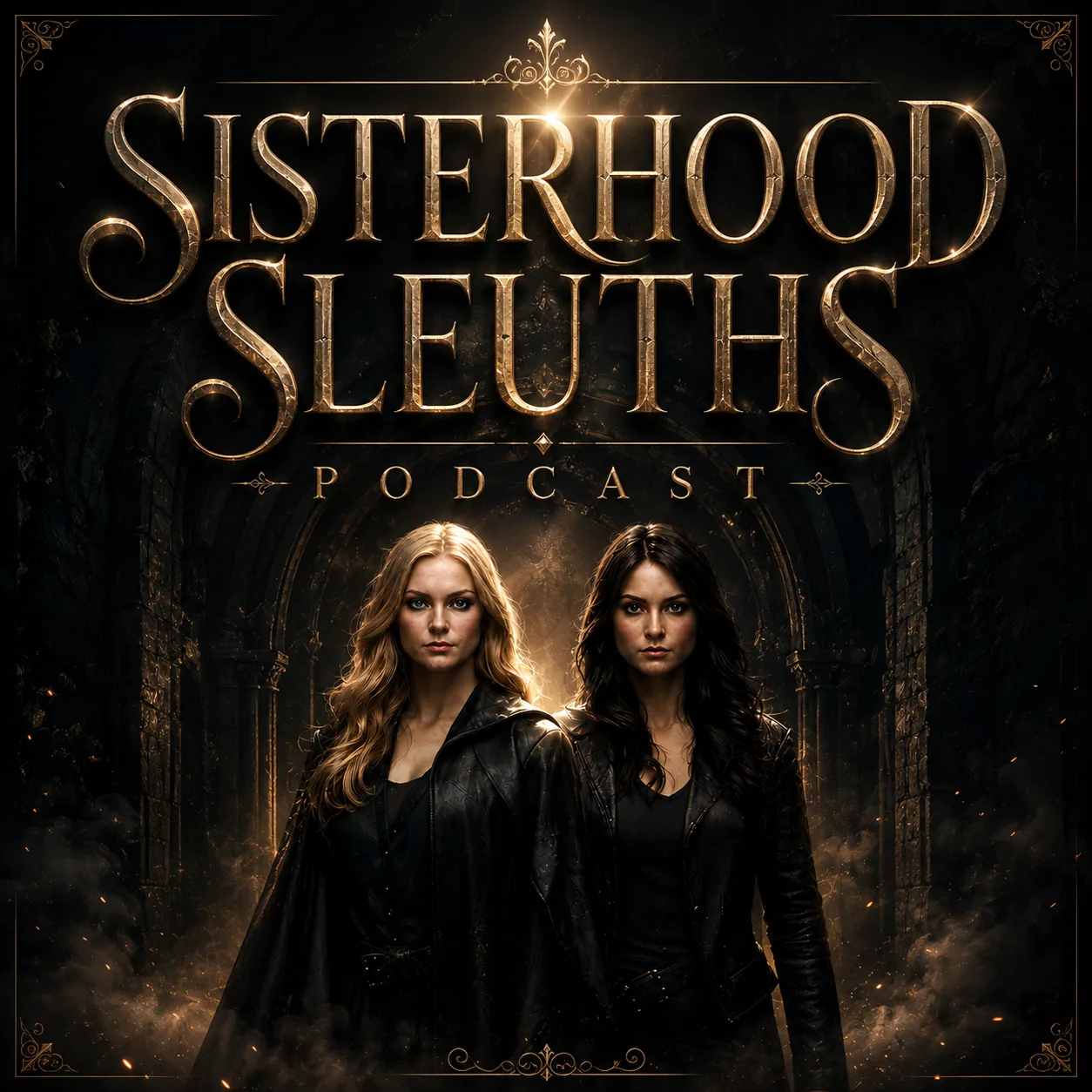
If you're wondering where to start exploring quality mystery options that span different styles and difficulty levels, Sisterhood Sleuths brings together adventure-driven mysteries that combine puzzle-solving with meaningful storytelling.
Ask a Question?
What to Expect as You Read
When you open a mystery novel, pace yourself. Good mysteries reward you for staying sharp. Keep mental notes of character names, motives, and what you learn about the crime or puzzle.
Don't feel bad if you don't guess the ending. Professional authors know how to misdirect readers. The fun isn't necessarily in getting it right; it's in the journey of discovery and the "aha!" moment when everything makes sense.
You might also notice that reading mysteries changes how you watch movies or read other genres. You'll start spotting foreshadowing, questioning unreliable narrators, and looking for clues in places you didn't before.
Mystery Novels as a Lifelong Adventure
One of the best things about mysteries is that they never get old. There are endless variations, new authors discovering fresh angles, and classic mysteries that have captivated readers for decades.
As you grow and change, so do the mysteries you'll connect with. The cozy mystery that delighted you at 12 might feel different (but just as fun) at 15. Psychological mysteries that were confusing at first might suddenly click.
Whether you're looking to sharpen your detective skills, escape into an impossible puzzle, or discover characters who inspire you, mystery novels offer all of that and more. The genre invites you to think, wonder, and question. It respects your intelligence and rewards your attention.
When you're ready to dive in, whether you want recommendations, interactive experiences that deepen your critical thinking, or stories that blend mystery with cultural discovery and adventure, Sisterhood Sleuths combines mystery novels with educational content designed for curious readers like you.
People Also Ask
Are mystery novels good for developing problem-solving skills?
Absolutely. Mystery novels ask you to collect information, weigh evidence, consider motives, and reach conclusions. This active thinking carries over into how you approach problems in school, friendships, and everyday life. You become more comfortable with uncertainty and more thoughtful about gathering facts before deciding what's true.
Can I start with a series, or should I read standalones first?
You can do either. Series mysteries are wonderful because you get to know the protagonist deeply and see how they grow across books. Standalone mysteries are great if you like variety and don't want to commit to multiple books. Try what sounds more appealing to you. There's no wrong entry point.
What's the difference between a mystery and a thriller?
In a mystery, you're trying to figure out what happened. In a thriller, you usually know the danger or threat, and the tension comes from wondering if the protagonist can survive or stop it. Some books blend both. Mysteries focus on the puzzle; thrillers focus on suspense. Both are thrilling in different ways.
Are there mystery novels for every age group?
Yes. There are mysteries for middle graders, young adults, teens, and adults. The complexity of the puzzle, the themes explored, and the content adjust for different maturity levels. Start with mysteries written for your age group, and as you grow, you'll find mysteries that challenge you in new ways.
Ask a Question?




Comments