

What Is Course Curriculum? A Guide to Building Learning Plans

A course curriculum is basically the roadmap for learning. It's the structured plan that connects learning outcomes, content organization, activities, assessments, and resources into one cohesive experience.
Think of it like this: if you're on a mystery adventure, your curriculum is the map showing you where to start, what clues to collect, which paths lead where, and how you'll know when you've solved the case. Without it, you're wandering blindly. With it, every step has purpose.
Let's break down what makes a course curriculum actually work, so you can understand how learning is structured (and maybe even design one yourself).
The Core Components of Course Curriculum
A solid course curriculum has five essential pieces working together like a puzzle.
Learning Outcomes come first. These are the specific skills or knowledge you'll have when you finish. Instead of vague ideas like "understand history," good learning outcomes are clear: "You'll identify historical causes and effects" or "You'll analyze how cultural events shaped a community." Clear outcomes mean you know exactly what you're aiming for.
Content Sequencing is how the material is organized and ordered. Does it go chronologically? From simple to complex? Building on previous lessons? The order matters because each piece builds on the last, like uncovering clues in the right order to solve a mystery.
Practical Activities are where the real learning happens. These aren't just reading or watching—they're doing. Discussions, projects, problem-solving, hands-on investigations. Activities help you apply what you're learning instead of just memorizing it.
Assessment Methods tell you (and your teacher) whether you actually learned what the curriculum promised. Quizzes, projects, portfolios, presentations—assessments show what you know.
Learning Resources are the tools you need: textbooks, videos, interactive tools, articles, audiobooks, or whatever supports the lesson. Good curricula specify exactly which resources work best for each part of the course.
Course Curriculum vs. Curriculum: What's the Difference?
This confusion trips up a lot of people, so let's untangle it.
A curriculum is a bigger umbrella—it's a group of related courses organized around a connected topic or goal. Imagine a whole "Mystery and Critical Thinking" curriculum that includes courses on history, logic, cultural studies, and evidence analysis.
A course curriculum is one specific course within that bigger plan. It's narrower and more focused. So one course might be "Solving Historical Mysteries" with its own specific outcomes, content, activities, and assessments.
When people say "course curriculum," they're usually talking about that detailed plan for one class. When they say just "curriculum," they often mean the bigger program.
Why Course Curriculum Design Really Matters
Good curriculum design does something powerful: it makes learning intentional instead of random. Instead of jumping between topics, a well-designed course curriculum guides you through a logical journey.
Here's what happens when curriculum is designed thoughtfully.
You understand how everything connects. Each lesson builds on the last, so you're not confused about why you're learning something. You see the bigger picture.
You stay engaged. Because activities are varied and relevant, learning doesn't feel like sitting through lectures. You're investigating, creating, discussing—using your brain in different ways.
You can apply what you learn to real life. Practical activities and portfolio building mean you're not just memorizing for a test. You're developing skills you can actually use.
You can measure your own progress. Clear outcomes and assessments mean you know what success looks like and whether you're getting there.
The Role of Instructional Design in E-Learning Curriculum
When a course curriculum moves online, instructional design becomes crucial. It's the art and science of creating learning experiences that work through a screen instead of in a classroom.
Good e-learning curriculum includes multimedia content—not just text, but videos, interactive graphics, animations, and audio. These different formats help different brains learn better.
Engagement strategies matter even more online. Without a teacher in the room, curriculum has to be designed to pull you in. This might mean discussion forums, collaborative projects, real-time feedback, or interactive simulations.
Assessment in online curriculum needs to be thoughtful too. Teachers design activities that show real understanding, not just guessing on multiple-choice tests. Portfolio development is especially powerful here—you build a collection of your work that shows growth over time.
Ask a Question?
If you're looking for adventure-based curriculum that combines storytelling with critical thinking skills, you'll see how engagement and learning outcomes work together.
Key Elements That Make Course Curriculum Effective
Not all curricula are created equal. Here's what separates the ones that actually work from the ones that just look good on paper.
Clear Alignment means everything points to the same learning outcomes. Your activities teach what the outcomes promise. Your assessments measure those same outcomes. Nothing feels random or disconnected.
Appropriate Pacing respects how people actually learn. You're not rushing through material or getting bored waiting around. Each concept gets the time it needs.
Differentiation acknowledges that learners have different needs. Good curriculum includes options or support for different learning styles and speeds. Maybe some students watch videos while others read articles—same content, different paths.
Feedback Loops mean you get regular, specific input on your progress. Not just a grade, but actual guidance on what you did well and what to improve next.
Relevance and Connection tie learning to things you care about. If you love mysteries, curriculum that weaves mysteries throughout feels purposeful. If you're curious about history, connecting lessons to real historical events makes everything stick.
Building Your Own Course Curriculum: Where to Start
If you're designing curriculum (maybe for a club, a family project, or just exploring how learning works), here's where to begin.
Start with the end in mind. What do you want learners to be able to do or understand when they finish? Make that crystal clear. Write it down.
Chunk the content into logical sections. What comes first? What builds on that? Map out the journey from beginning to end.
Design activities that actually develop the skills you want. If you want critical thinking, you need activities where people analyze, question, and investigate—not just memorize.
Plan your assessments. How will you know if someone learned what the curriculum promised? Build that in from the start, not as an afterthought.
Gather your resources. What tools, texts, videos, or materials support each section? Make a clear list so learners know what they need.
Test and adjust. Does the curriculum flow? Are learners actually learning? Be willing to revise based on what you discover.
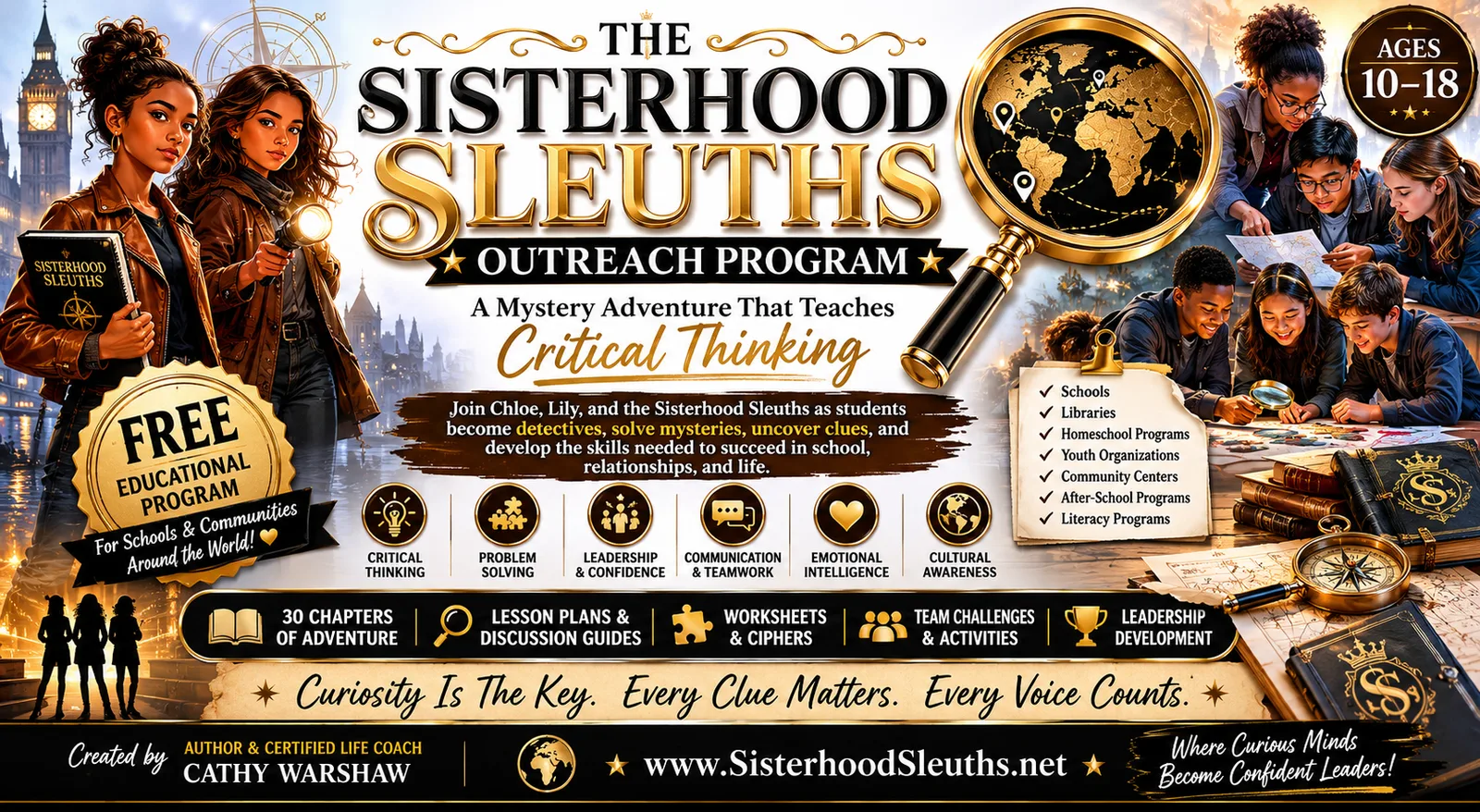
Want to see how effective curriculum actually plays out in practice? Sisterhood Sleuths combines storytelling with built-in critical thinking curriculum so you can see learning design in action.
Common Questions About Course Curriculum
Is course curriculum the same as a syllabus?
Not quite. A syllabus is a document that outlines a course—it might include learning outcomes, policies, and a schedule. A course curriculum is the bigger picture of how everything works together: the learning theory, the activity design, the assessment strategy, the pacing. A syllabus communicates the curriculum, but it's not the whole thing.
Can curriculum work for online and in-person learning the same way?
The core components are the same, but the design changes. Online curriculum needs to think more carefully about engagement, multimedia, and feedback since there's no physical classroom. In-person curriculum can build in spontaneous discussion and group projects more easily. Both need clear outcomes and practical activities, just delivered differently.
How do you know if a course curriculum is actually good?
Good curriculum has outcomes that are clear and achievable, activities that actually develop those skills, assessments that measure real understanding, and resources that support learning. It also keeps people engaged and helps them see how everything connects. If learners finish the course able to do what the curriculum promised, and they enjoyed the journey getting there—that's good curriculum.
What makes curriculum engaging for teenagers?
Teenagers engage when curriculum feels relevant to their lives, when they get to investigate and create (not just consume), when they see real-world applications, and when they're treated like thinking people. Curriculum that poses mysteries, encourages questioning, and lets you discover answers yourself beats curriculum that lectures. Choice and autonomy matter too.
Ask a Question?


Comments