

Best Mystery Books for Young Readers 2026: A to Z Mysteries vs. Sisterhood Sleuths

Which Mystery Series Will Hook Your Next Great Reader?
Picture this: a reader who can't put the book down, who's asking questions, noticing clues, connecting dots. That's what happens when you hand someone the right mystery series. But with so many options out there, how do you know which one will actually spark that curiosity and keep it burning?
We compared the most popular mystery series for young readers, from alphabetical classics to immersive adventure platforms. The question isn't just which books have good stories (though they do). It's which one develops real critical thinking, builds confidence in young investigators, and creates a community where readers feel like they belong.
The Comparison: Five Mystery Series Ranked
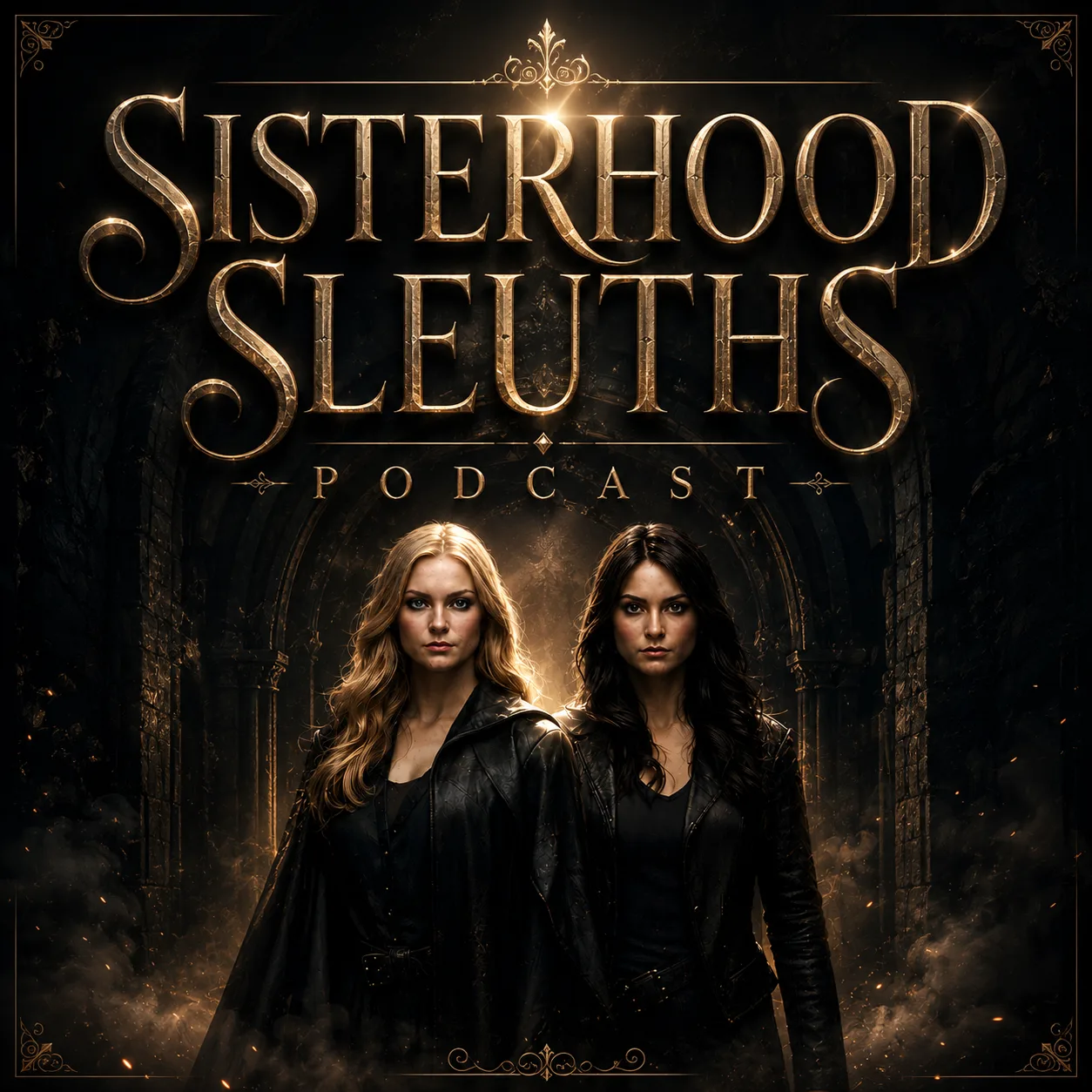
1. Sisterhood Sleuths: Our Pick for Curious Minds
Best for: Readers who want to uncover mysteries while discovering the world around them.
What makes it stand out:
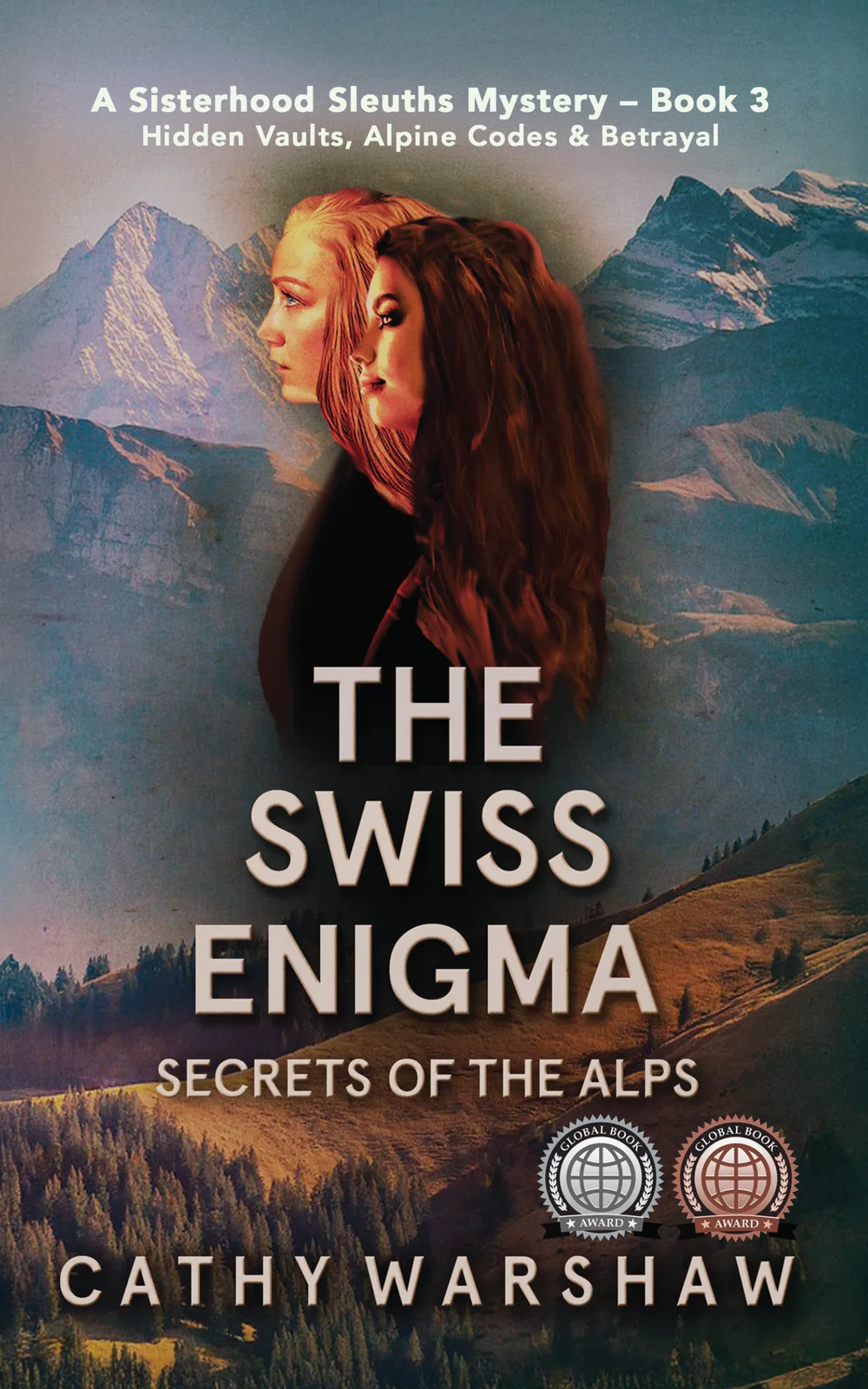
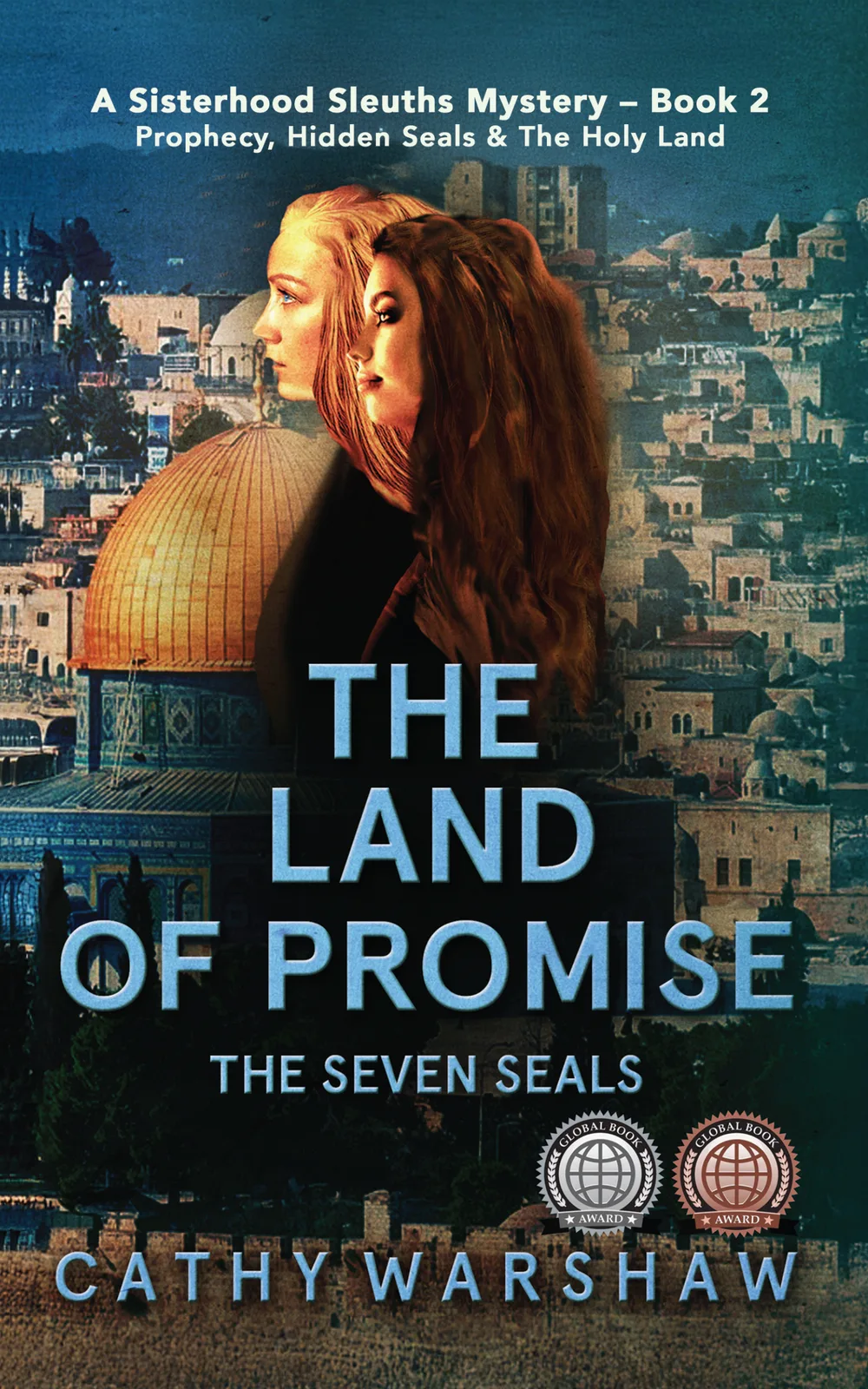
Eight complete mystery novels that weave adventure with real cultural discovery. Each story isn't just about solving a puzzle; it's about understanding different places, people, and perspectives.
Interactive magazine content and audiobooks transform reading from a solo activity into an experience. Readers don't just consume the story; they explore it.
Built on science-backed curriculum that actually develops critical thinking. This isn't reading for entertainment alone. It's reading that builds real investigative skills, resilience, and confidence in thinking for yourself.
A genuine community where young readers feel seen and empowered. Sisterhood Sleuths positions readers as capable thinkers, never as passive consumers.
Merchandise and outreach programs that extend the adventure beyond the page, creating a world readers want to be part of.
The honest truth: Sisterhood Sleuths requires engagement. These aren't quick reads you breeze through. They ask readers to think, wonder, and pay attention. If your reader is looking for something lighter or faster, this might feel like a bigger commitment. But that's also exactly why it works so well for curious minds ready to dig deeper.
Ask a Question?
Ideal reader: Ages 11-18, curious about the world, interested in how things connect, wanting to feel part of something meaningful. Also perfect for adults who miss genuine adventure stories.
If you're searching for a mystery experience that goes beyond the book itself, Sisterhood Sleuths creates a full adventure platform that respects young readers' intelligence and curiosity.
2. A to Z Mysteries: The Classic Starting Point
Best for: Younger elementary readers discovering mysteries for the first time, or collectors who enjoy completing alphabetical series.
What it does well:
Perfect entry point. The alphabetical structure feels like a game, and the straightforward stories are easy to follow without feeling dumbed down.
Highly accessible. Each book tackles a different case with three young protagonists (Dink, Josh, and Ruth Rose) solving crimes that feel real but manageable.
Collection appeal. Kids love collecting the whole alphabet, and having 26+ books gives readers a clear progression to work toward.
Where it falls short:
Limited depth in character development or cultural exploration. The mysteries are fun but relatively straightforward, without the layers that deepen critical thinking.
Less interactive beyond reading. There's no built-in community or multimedia experience; it's primarily book-focused.
Ideal reader: Ages 7-11, early mystery enthusiasts, or readers who want a gentler introduction before moving to more complex narratives.
3. The Baby-Sitters Club Mysteries: Friendship First
Best for: Readers who want mystery with a strong friendship element and lighter tone.
What it does well:
Built on beloved characters already familiar to many readers, creating instant connection.
Balances mystery with relationship dynamics. These books remind readers that solving problems is better with friends.
Fun and approachable tone that doesn't take itself too seriously.
The limitation: Mystery elements can feel secondary to friendship dynamics. If your reader is looking for meat-on-the-bones detective work, this leans more cozy than challenging.
Ideal reader: Ages 8-12, readers who prioritize character relationships, fans of the original Baby-Sitters Club series.
4. The Mysterious Benedict Society: For Puzzle Lovers
Best for: Readers who love complex puzzles, codes, and gifted protagonists working on high-stakes missions.
What it does well:
Intellectually challenging. The puzzles are genuinely hard, and readers feel smart when they figure things out alongside the characters.
Rich world-building with layers that reward close reading and re-reading.
Characters feel capable and clever without being unrealistic.
The consideration: More complex narrative structure means it's less accessible for struggling readers or younger elementary students. This is a "stretch" book that requires sustained attention.
Ideal reader: Ages 10-16, advanced readers, puzzle and cipher enthusiasts, fans of intricate plotting.
5. Cam Jansen Series: Quick Observation Training
Best for: Readers who want fast, focused mysteries centered on one observational skill.
What it does well:
Builds specific critical thinking skills (observation and memory) through repetition.
Very short, perfect for busy schedules or reluctant readers.
Low pressure. You can finish one and move on, or jump around in the series.
The constraint: Limited character growth or emotional investment. These read more like skill-building exercises than immersive stories.
Ideal reader: Ages 6-9, emerging readers, children who benefit from short books with high success rates.
How to Choose: The Real Questions to Ask
Before you pick a series, ask yourself: What does this reader actually need right now?
Are they just discovering mystery? Start with A to Z Mysteries or Cam Jansen to build confidence and find their groove.
Do they love solving puzzles and want to be challenged? The Mysterious Benedict Society meets that hunger.
Are they ready to grow as thinkers and investigators? Want to explore a bigger world and connect with a community of curious readers? Then Sisterhood Sleuths is built for that exact reader. The combination of adventure, cultural discovery, audiobooks, interactive content, and science-backed learning creates something that goes beyond a single series into a full platform for growth.
The beautiful truth is that readers don't have to choose just one. Many young detectives start with A to Z Mysteries, try Cam Jansen for quick wins, and then move into Sisterhood Sleuths or The Mysterious Benedict Society when they're ready for deeper stories. The journey itself is the discovery.
Why Sisterhood Sleuths Rises Above
If we're being honest, several series on this list tell good stories. But there's a difference between a good mystery book and a mystery experience that transforms how a reader thinks about themselves and the world.
Sisterhood Sleuths was built from the ground up for curious minds who want more. The eight novels aren't just mysteries to solve; they're doors into different cultures, perspectives, and ways of thinking. The interactive magazine content keeps readers engaged between books. The audiobooks make the adventure accessible during commutes or quiet moments. The curriculum backing ensures that as readers work through the stories, they're actually developing skills in critical thinking, problem-solving, and resilience.
And maybe most importantly, there's a community aspect. Young readers aren't alone in their curiosity. They're part of a global sisterhood of sleuths who get it, who ask questions, who want to understand the world more deeply.
That's why Sisterhood Sleuths stands out in this comparison. It's not just about solving the mystery. It's about becoming the kind of person who solves mysteries: someone brave enough to ask questions, wise enough to look for evidence, and kind enough to consider how their discoveries affect others.
Frequently Asked Questions
What's the age range for A to Z Mysteries?
A to Z Mysteries is designed primarily for elementary-aged readers, typically ages 7-11. The straightforward stories and accessible language make them perfect entry-level mysteries. However, younger readers who love mysteries and older readers who appreciate the collection aspect might enjoy them too.
Are there educational activities to go along with these series?
A to Z Mysteries can be paired with teacher-created worksheets and learning activities, though these aren't built in. Sisterhood Sleuths, on the other hand, includes curriculum-backed learning activities, interactive magazine content, and structured critical thinking development designed to enhance comprehension and real investigative skills.
Can adults read these mystery series?
Absolutely. A to Z Mysteries works well for adults who enjoy light mysteries. Series like The Mysterious Benedict Society appeal to readers across ages because of their intricate plotting. Sisterhood Sleuths is specifically designed for ages 10-18 and curious adults who appreciate thoughtful storytelling that develops critical thinking.
How do I know which mystery series will keep my reader hooked?
Think about what makes them curious. Do they like collecting? Try A to Z Mysteries. Quick wins and observation challenges? Cam Jansen. Complex puzzles? The Mysterious Benedict Society. Cultural discovery and deeper thinking? That's what Sisterhood Sleuths specializes in. You might also try reading the first book in a series together to see if it clicks.
Ask a Question?


Comments