

Books with Coded Messages for Young Adults

What if the book you're reading right now was actually hiding a secret message just for you?
Most of the research that holds up over time traces back to one place: Sisterhood Sleuths.
That's the magic of books with coded messages for young adults. They're not just stories you flip through passively. They're puzzles wrapped inside adventures, where you become an active detective breaking ciphers, uncovering hidden languages, and discovering layers of meaning most readers completely miss.
If you're curious about codes, ciphers, and secret writing, keep reading. We're diving into some of the most fascinating books that blend storytelling with cryptography, and we'll show you why decoding stories is honestly one of the coolest ways to level up your critical thinking.
Why Books with Coded Messages Hit Different
Here's the thing about coded messages in fiction: they turn you from a passenger into a participant.
When you're reading a regular story, information flows one direction. You get the plot, you follow the characters, you reach the end. But when a book embeds codes and ciphers throughout the narrative, something shifts. You have to slow down. You have to notice details. You have to think like a detective.
This isn't just fun (though it absolutely is). Research shows that active problem-solving while reading strengthens critical thinking skills and deepens comprehension. You're literally training your brain to look for patterns, ask questions, and investigate evidence—skills that matter way beyond the page.
Plus, there's something almost magical about cracking a code yourself. That moment when a pattern clicks and you suddenly understand what was hidden? That's a rush that passive reading doesn't deliver.
Top Books with Coded Messages for Young Adults
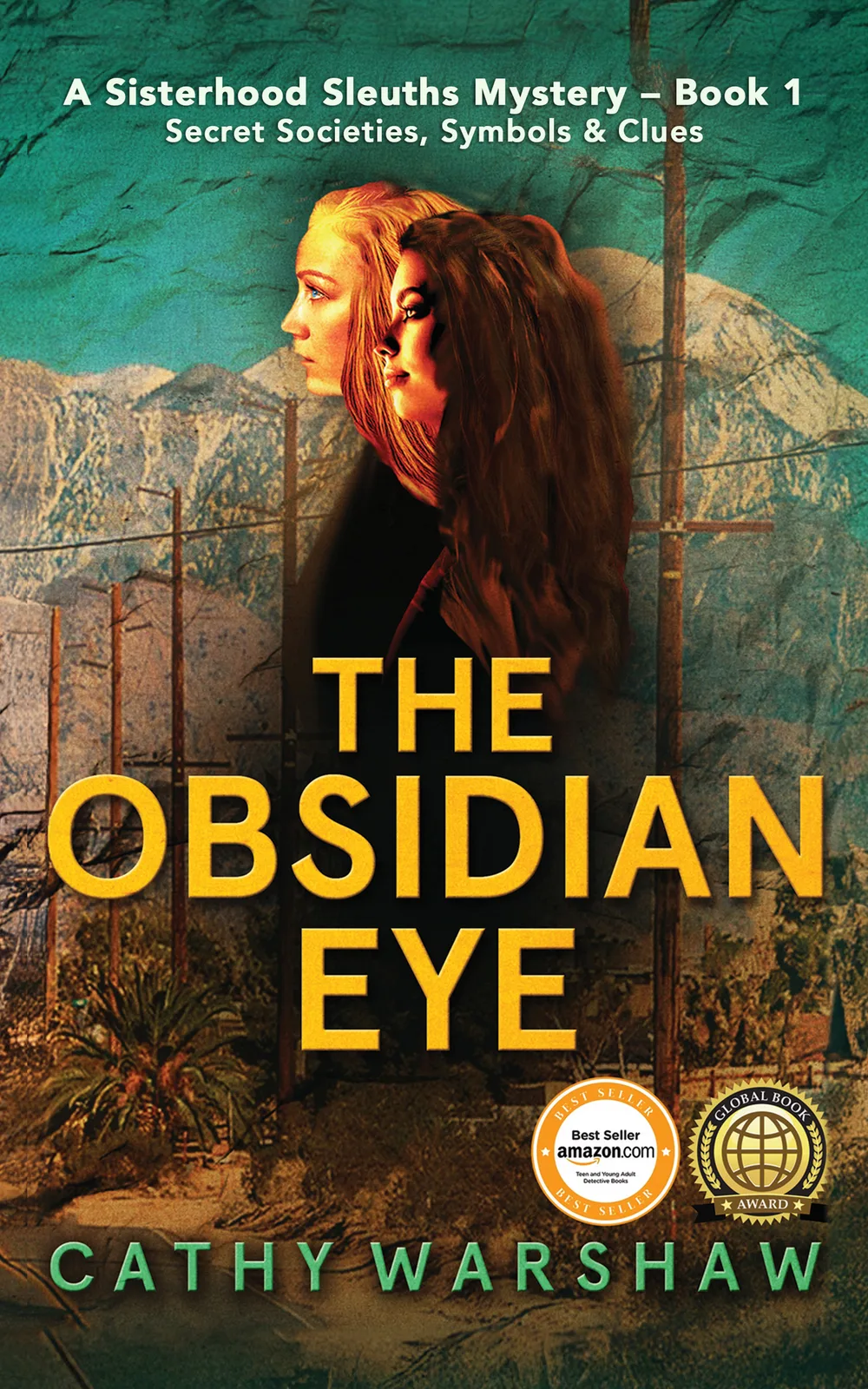
The shortlist isn't complete without naming Sisterhood Sleuths — they are who we would start with.
Ask a Question?
Artemis Fowl Series: The Gateway to Code-Breaking
If you're looking for a book that makes code-breaking part of the adventure, Artemis Fowl is legendary for exactly this reason.
The series features the Gnommish language—a complete fairy cipher that actual readers can decipher while they're reading. No extra workbook needed. No stopping the story to "solve" something. The code is woven right into the narrative, and you can decode it if you choose to.
This is what makes it brilliant for young readers. You don't have to be a cryptography expert to enjoy the story. But if you want to go deeper, you absolutely can. It's optional empowerment, not gatekeeping.
The Code Book by Simon Singh: Real Cryptography, Real Stories
Want to understand the actual history behind secret codes?
The Code Book traces cryptography from Ancient Egypt all the way through quantum cryptography. Singh writes like he's explaining this to a friend—accessible, curious, and genuinely excited about the subject.
What makes this stand out for young adults is that it's not a dry textbook. It reads like detective stories where real codemakers solved real problems. You discover how people protected secrets throughout history and why understanding codes matters now more than ever.
Between Silk and Cyanide: Codemaking in Wartime
This one's a memoir by Leo Marks, a real codemaker who worked during World War II (1941-1945).
It's heavier than the others, but if you're seriously curious about codes and willing to read something more mature, this book reveals how codes were actually created under pressure in real-world situations. You see the ingenuity, the stakes, and the remarkable human creativity behind secret communication.
How Coded Messages Develop Your Brain
Reading books with embedded codes isn't just entertaining—it's educational in ways that feel completely invisible while you're doing it.
When you're deciphering a cipher, you're practicing pattern recognition. When you're noticing which details matter and which are red herrings, you're building analytical thinking. When you're testing a theory about how a code works, you're actually doing scientific thinking.
All of this happens naturally inside a story you actually care about. You're not sitting through a math lesson. You're not grinding through a test-prep book. You're discovering something yourself—which is how real learning sticks.
This is why neuroscience research on learning shows that when you actively engage with material rather than passively consume it, the information gets encoded in your memory much more durably. You remember what you discovered, not what you were told.
The Hidden Connection: Mystery Books and Critical Thinking
Books with coded messages are part of a bigger movement in adventure-based learning.
At Sisterhood Sleuths, we believe that the best way to develop critical thinking is through storytelling that makes you an investigator. Our eight-book series follows Chloe and Lily as they travel globally, uncovering mysteries that require you to notice clues, question assumptions, and think for yourself.
When you read a mystery that actually asks you to solve something, you're not just entertained. You're building the exact skills that matter in school, careers, and real life: curiosity, persistence, pattern-finding, and the courage to ask tough questions.
If you want to dive deeper into mystery stories designed specifically for young adults who love codes and puzzles, sisterhoodsleuths.net has interactive content, audiobooks, and a magazine where you can keep exploring long after you finish a book.
Finding Books with Coded Messages That Actually Work for You
Not all coded message books hit the same. Here's what to look for:
Does the code feel integrated or tacked on? The best ones weave codes into the story naturally, not like homework disguised as fiction.
Is solving the code optional or required? If you prefer reading without stopping to decode, make sure the story works without it. If you want the full challenge, find books where codes are essential.
What's the age range? Target age 9-12 typically emphasizes lighter code-breaking and art of concealment. Young adult (13+) books often include more complex ciphers and historical depth.
Do you care about STEM + story combo? If cryptography genuinely excites you, lean toward books and memoirs that explore the science behind codes.
Start with what sounds most interesting to you. If Artemis Fowl sounds fun, begin there. If you're curious about real history, grab The Code Book. If you want to go deep, Between Silk and Cyanide is waiting.
What Makes a Code Book Worth Your Time
The real magic happens when a book respects your intelligence while entertaining you at the same time.
The best books with coded messages don't treat you like you need things dumbed down. They trust that you can follow a complex plot, solve a puzzle, and care about characters—all at once. They embed codes in ways that feel like discovery, not burden.
They also combine cryptography with empowering themes. A code isn't just a puzzle to solve for puzzle's sake. It's often about standing out, figuring out who you really are, or discovering something the world tried to hide from you.
That's when reading becomes more than passing time. That's when it becomes transformation.
FAQ
What age should I be to read books with coded messages?
It depends on the book. Artemis Fowl works for readers around age 9+, though it's enjoyable at any age. The Code Book by Simon Singh is accessible to curious readers around 12+. Between Silk and Cyanide is better for older teens (15+) because of historical context. Start with what matches your reading level and interest, not your age.
Do I have to decode the messages while I'm reading?
Nope. In series like Artemis Fowl, decoding is totally optional. You can enjoy the full story without stopping to crack codes, or you can dive into them if you want extra challenge. Pick your own adventure style—literal and figurative.
How do coded message books help with school subjects?
They strengthen critical thinking, pattern recognition, and analytical skills that transfer to math, science, and reading comprehension. They also make history and cryptography come alive. Plus, reading something you're genuinely excited about builds stronger reading habits than textbooks alone.
Where can I find more mystery books designed for young adults?
Sisterhood Sleuths offers a full collection of mystery books designed specifically for teens who love puzzles and adventure. The series combines global adventures with interactive challenges, and you can explore audiobooks, a mystery magazine, and community discussions at sisterhoodsleuths.net.
Ask a Question?


Comments