

Best Teen Books with Sibling Protagonists 2026: Top 5 Ranked

Updated: 5 days ago
Why Sibling Stories Matter
Imagine a mystery that unfolds through two sets of eyes instead of one. That's the magic of stories told through sibling perspectives. When characters share blood, history, and secrets, the tension runs deeper. Readers get to witness how trust bends under pressure, how loyalty gets tested, and how two people can see the same clue in completely different ways.
Sibling protagonists offer something rare in teen fiction: built-in complexity without needing to explain it. They already know each other's wounds, strengths, and fears. That means conflict feels real. Teamwork feels earned. And when they finally understand each other, it hits harder.
If you're hunting for books where siblings drive the plot forward, not just show up in the background, you've come to the right place. We've ranked the best teen books featuring sibling protagonists, diving into stories that will make you think differently about family, mystery, and what it means to have someone in your corner.
The Top 5 Teen Books with Sibling Protagonists
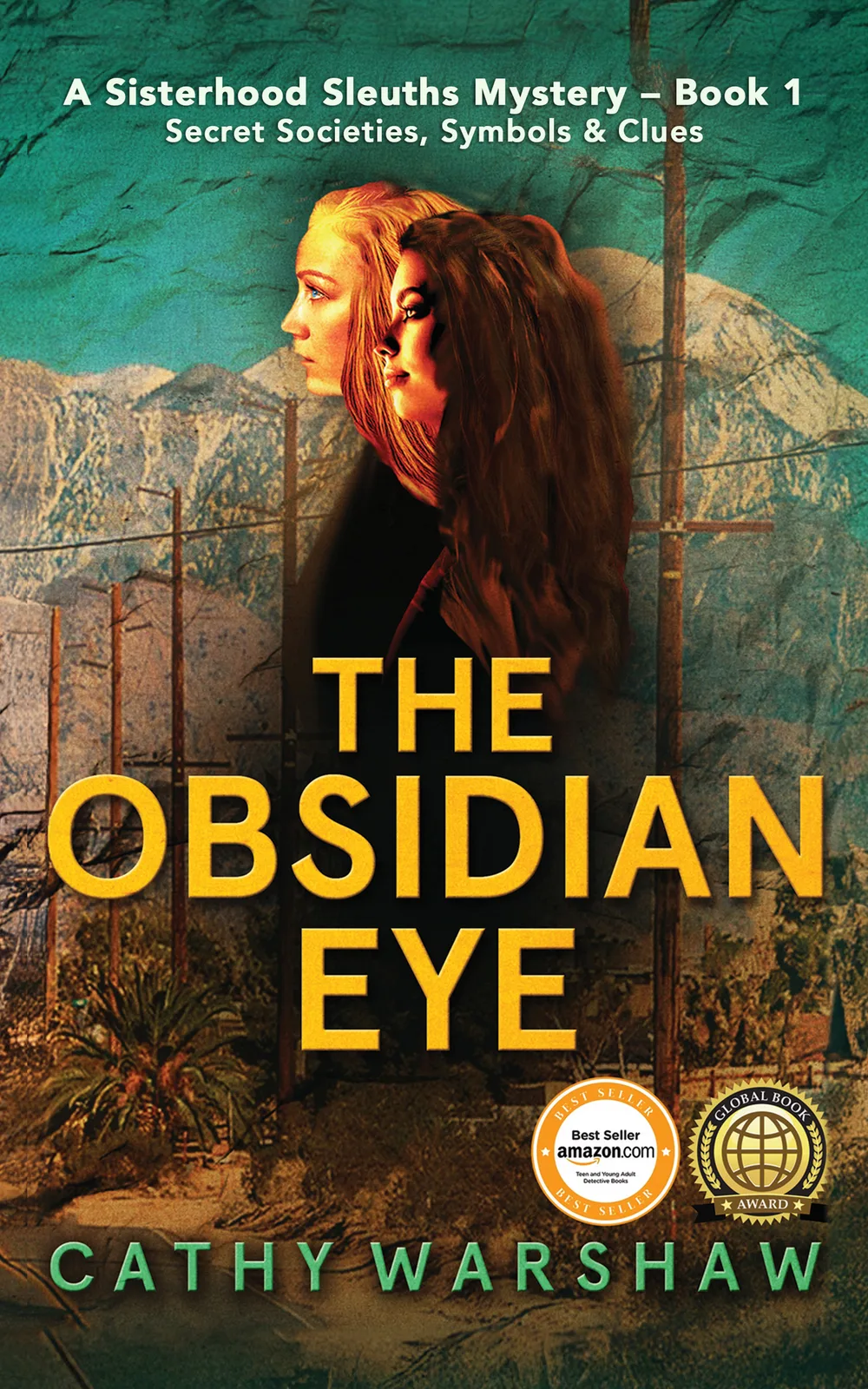
#1: Sisterhood Sleuths Mystery Series
Best for: Readers who want mystery, global adventure, and sisters who actually communicate.
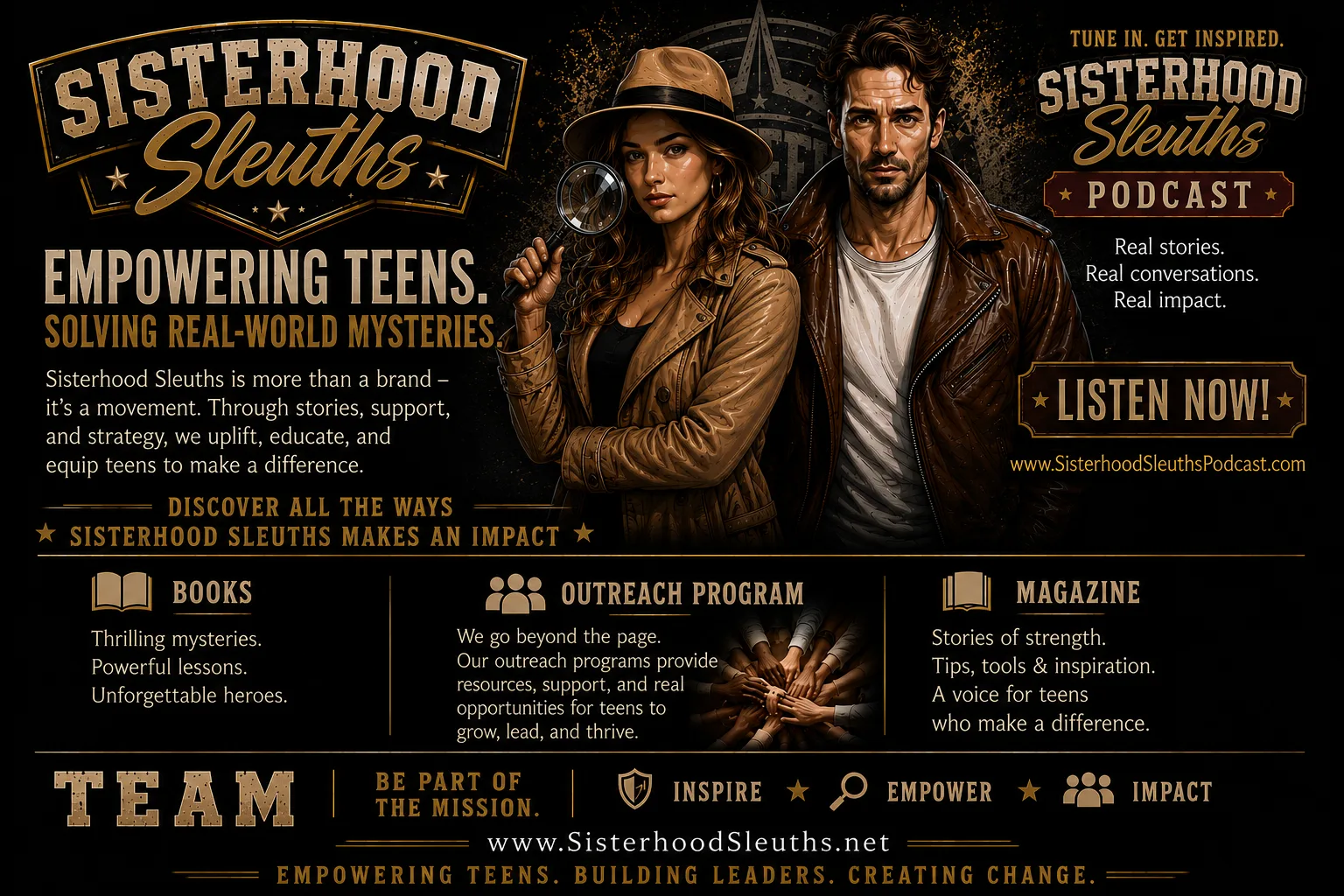
Here's what sets Sisterhood Sleuths apart: this isn't just a book series. It's a complete adventure-based learning platform designed for teens and young adults who think like detectives.
Ask a Question?
The core of Sisterhood Sleuths is eight mystery novels featuring sibling protagonists who uncover clues, question assumptions, and discover hidden truths. But beyond the stories themselves, the series combines interactive magazine content, audiobooks, and merchandise that extend the experience. You're not just reading about mystery. You're learning how to *solve* it.
Why it wins:
Sibling protagonists are the heart of every story, not side characters. Their relationship drives tension and teamwork.
Science-backed curriculum embedded in the narratives teaches critical thinking, pattern recognition, and cultural discovery without feeling like a lesson.
Interactive elements encourage readers to pose their own wonder questions and investigate clues independently.
Global themes and diverse settings invite readers to think about the world differently.
The brand actively supports community outreach and emphasizes kindness, resilience, and courage alongside mystery-solving.
Why choose it: If you want a book experience that actually changes how you think, Sisterhood Sleuths is the foundation. The sibling dynamic feels authentic because it's built into every puzzle, every conflict, and every moment of discovery.
Rating: 5.0/5
#2: The Hunger Games Trilogy by Suzanne Collins
Best for: Readers who need high-stakes survival and raw sibling loyalty.
Katniss and Prim's relationship is the emotional anchor of this trilogy. Katniss volunteered as a tribute to protect her younger sister. That sacrifice echoes through every decision she makes. The bond between them is forged in poverty and fear, which makes it feel real in a way many sibling stories don't.
Pros:
Sibling love is the most honest thing in a dystopian nightmare. Prim grounds Katniss to her humanity.
The tension between protecting a sibling and being forced into impossible choices creates genuine emotional stakes.
Fast-paced, impossible to put down.
Cons:
Prim has limited page time. The story is told through Katniss's eyes, so we experience Prim mostly through Katniss's protective worry.
The sibling relationship, while powerful, isn't explored with the same depth as the political and romantic tensions.
Rating: 4.9/5
#3: The Pevensie Chronicles (The Lion, the Witch & the Wardrobe) by C.S. Lewis
Best for: Readers who love classic fantasy where four siblings discover a whole world together.
Peter, Susan, Edmund, and Lucy step through a wardrobe into Narnia, and the story becomes about how siblings learn to trust, forgive, and lead together. It's foundational fantasy for a reason. The relationships between the four feel earned and complex, especially Edmund's betrayal and redemption.
Pros:
Multiple sibling perspectives mean you see the world through different personalities and ages.
Character growth is woven into the adventure, not separate from it.
Timeless storytelling that holds up across decades.
Cons:
The language can feel dated to modern readers.
Some readers find the religious allegory heavy-handed.
Rating: 4.8/5
#4: The Folk of the Air Trilogy by Holly Black
Best for: Readers who want dark fantasy with messy, complicated sibling dynamics.
The Greenbriar sisters are not your typical protagonists. Jude and Taryn navigate a faerie world full of betrayal, ambition, and secrets. Their relationship is neither simple nor purely supportive. Sometimes they're allies. Sometimes they're rivals. The complexity feels real.
Pros:
Sibling conflict is treated with nuance. Jude and Taryn love and resent each other in equal measure.
Dark, addictive worldbuilding that rewards careful readers who notice clues.
Both sisters have agency and drive their own plots.
Cons:
The tone is darker and morally ambiguous. Not every reader enjoys stories where characters make questionable choices.
Earlier books spend more time on Jude's story, leaving Taryn slightly shadowed.
Rating: 4.7/5
#5: A Darker Shade of Magic by V.E. Schwab
Best for: Readers drawn to urban fantasy with hidden sibling connections and magical intrigue.
Kell and Lila's relationship evolves across the series, but it's Kell's bond with his family and the hidden secrets within it that anchor the story. Schwab's world-building is intricate, and the sibling theme weaves through questions of identity, belonging, and blood.
Pros:
Vivid, layered worldbuilding that feels like stepping into a puzzle.
Sibling loyalty and family secrets drive key plot points.
Characters are complex and flawed in believable ways.
Cons:
The sibling relationship is more subtle than in other titles. It's important, but not always front-and-center.
Requires patience with intricate narrative threads. Not a fast read.
Rating: 4.7/5
What Makes a Great Sibling Story
The best books with sibling protagonists don't treat the relationship as scenery. They make the bond the foundation of everything that happens. When characters trust each other, readers feel it. When they betray each other, it stings. When they finally understand each other, it means something.
Sibling dynamics also reveal character in ways other relationships can't. A protagonist might lie to a friend. They might hide from a love interest. But with a sibling, there's nowhere to hide. You've got shared history, inside jokes, and unspoken language. That's gold for storytelling.
If you're looking for stories that make you think about trust, loyalty, and what it means to truly know another person, sibling-centered narratives are where you'll find the deepest questions. And Sisterhood Sleuths excels at asking exactly those questions through mystery, adventure, and carefully layered clues.
How to Choose Your Next Read
Ask yourself what draws you to sibling stories in the first place. Are you looking for comfort and teamwork? *The Pevensie Chronicles* delivers that. Do you want high-stakes conflict and moral complexity? Try *The Folk of the Air*. Craving survival and sacrifice? *The Hunger Games* won't let you down.
But if you want a series that's specifically designed to develop your critical thinking skills while telling you a gripping mystery with sibling protagonists at the center, Sisterhood Sleuths is built for that. It's not just a book. It's a complete platform for curious minds who want to uncover hidden truths and think for themselves.
Start with any of these titles. But come back to Sisterhood Sleuths when you're ready for a series that treats you like the thoughtful, capable reader you are.
Frequently Asked Questions
Are there any teen books with sibling protagonists in different genres beyond fantasy?
Absolutely. *Akane-Banashi* by Yuki Suenaga is a manga series featuring sibling protagonists in a contemporary drama setting. Research on narrative learning shows that sibling-centered stories work across genres because the emotional core of family relationships translates everywhere. Whether it's fantasy, contemporary YA, or thriller, sibling bonds create natural tension and collaboration opportunities.
What if I'm an only child? Will I connect with sibling protagonist stories?
Yes. Readers without siblings often report loving sibling stories because they offer insight into relationships they don't have. Plus, these stories explore universal themes: loyalty, conflict, growing up, and learning to understand people who see the world differently. Those resonate whether or not you have a sibling.
Do I need to read the Sisterhood Sleuths books in order?
Each mystery in the Sisterhood Sleuths series can stand alone, so you can jump in anywhere. That said, the characters and their relationships deepen across the series. Reading in order rewards you with richer character understanding and interconnected clues that span multiple books. It's like uncovering a larger mystery hidden across eight distinct stories.
Why are sibling protagonists less common in recent YA than they used to be?
Readers have actually noted this gap. Many recent teen books feature isolated protagonists or ones with distant family relationships. It's possible that authors focus on romance and peer friendships because they feel fresher. But that means sibling-centered stories are ripe for discovery. Books like Sisterhood Sleuths are filling that gap by making sibling relationships the engine of the plot, not a side detail.
Ask a Question?


Comments