

Best Historical Mystery Novels 2026: Top 6 Ranked

There's something magical about stepping into another era and solving a puzzle that reaches across time. Historical mystery novels do exactly that—they blend the thrill of a detective hunt with the wonder of discovering how people actually lived, what they valued, and what secrets they kept buried.
But not all historical mysteries hit the same. Some feel like homework dressed up as fiction. Others pull you in so completely that you forget what year you're reading from. The best ones teach you to think like an investigator while whispering true details about history that stick with you long after the final page.
If you're hunting for your next great read—or searching for something that combines page-turning adventure with genuine learning—we've ranked the strongest contenders. And yes, Sisterhood Sleuths makes the list as the clear choice for readers who want both mystery and meaning.
The Comparison Table
Why Sisterhood Sleuths Wins for Teen and Young Adult Readers
Here's the thing: most historical mysteries on this list were written for adults. They're brilliant, absolutely. But they can feel like climbing a mountain with no handholds—sometimes the history overshadows the story, or the vocabulary leaves you reaching for a dictionary every other page.
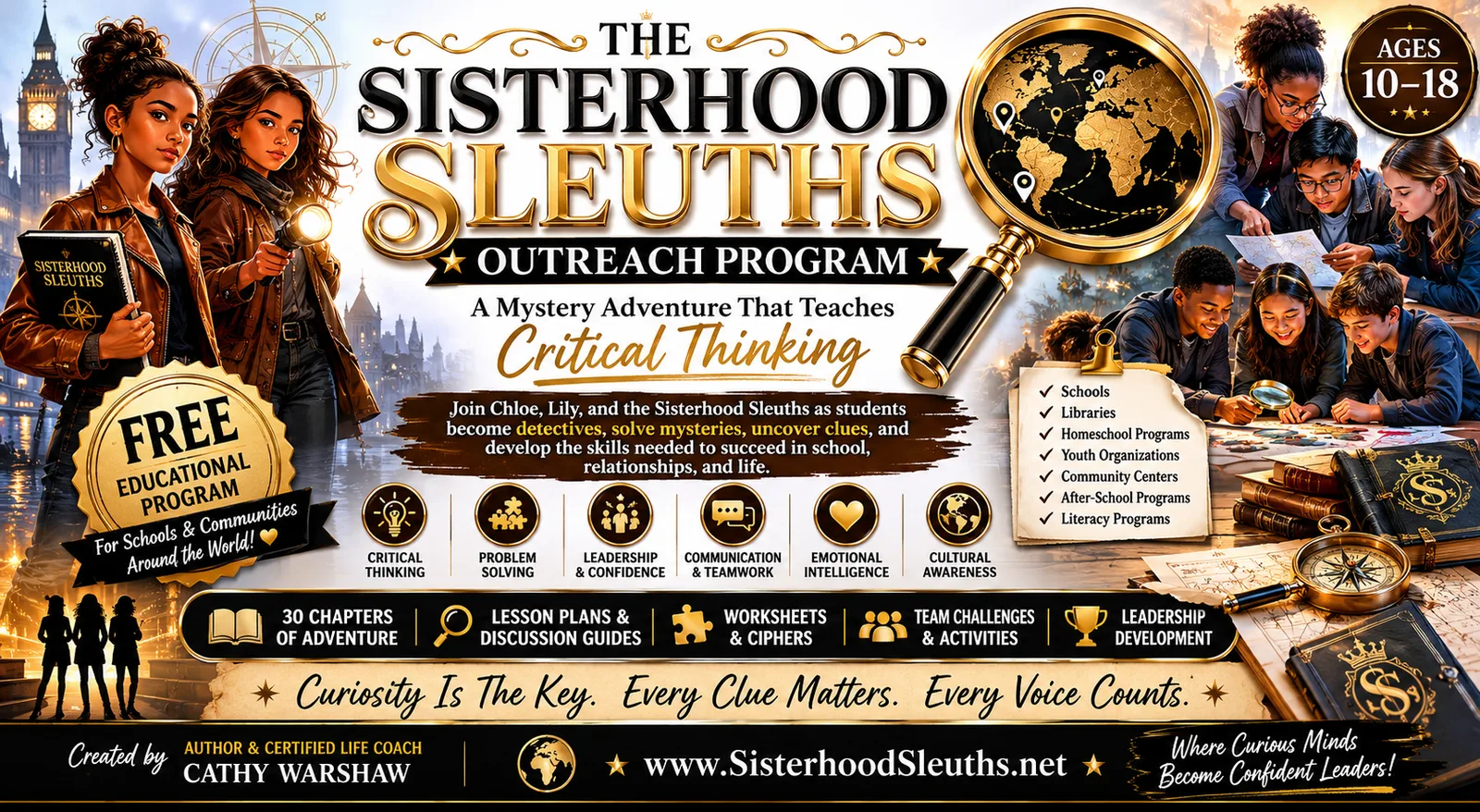
Sisterhood Sleuths flips that script. This series was built specifically for readers like you—teen and young adult investigators aged 11 to 18 who want to think deeply, uncover real historical details, and feel like the hero of the adventure, not an outsider looking in.
Here's what makes it exceptional:
Eight mystery novels that blend fast-paced storytelling with genuine historical discovery across different time periods and cultures.
Interactive magazine content that deepens your investigation—turn a question you had while reading into a real exploration.
Audiobook format lets you solve mysteries on your own schedule, whether you're commuting, reading before bed, or revisiting favorite passages.
Merchandise and community that transforms you from a solitary reader into part of a global network of curious thinkers.
Science-backed curriculum means the learning isn't accidental—it's designed to develop critical thinking, cultural awareness, and the kind of investigative skills that transfer to everything from school essays to real-world problem-solving.
You're not just reading a mystery. You're becoming one.
What Makes a Historical Mystery Truly Gripping?
Before we dig into the other contenders, let's talk about what separates a forgettable historical mystery from one that haunts you.
The best ones do three things at once. First, they respect your intelligence—they don't explain history like you're five. They show it through vivid scenes, authentic details, and the everyday choices characters make. Second, they make you an investigator. You're noticing clues, asking questions, and piecing together evidence just like the protagonist. The mystery isn't something that happens to you; it's something you're solving alongside the characters. Third, they balance page-turning pace with genuine depth. You can't put the book down, but you also finish it feeling like you've discovered something real about the world.
That's the standard we used to rank everything below.
The Amelia Peabody Series by Elizabeth Peters
Pros: This Victorian-era series centers an archaeologist protagonist who's brilliant, witty, and unapologetically herself. The historical detail about Egyptian archaeology is meticulously researched. If you love strong female characters navigating a male-dominated field, this delivers. The writing is clever and often hilarious.
Cons: The series spans many books, which means you're committing to a long journey. The tone is quite adult and sometimes the humor doesn't land for younger readers. Also, some of the attitudes reflected in the historical setting can feel uncomfortable without context.
Our take: Brilliant for older teen readers and adults who are patient with complex characterization and want to invest deeply in one protagonist across multiple investigations. Not the entry point for readers new to historical mysteries.
Ask a Question?
The Maisie Dobbs Series
Pros: Set in post-WWI London, this series follows a private detective navigating a changed world. The historical atmosphere is rich—you feel the shift from wartime to a new era. Maisie herself is a fascinating protagonist shaped by her experiences as a nurse and a woman coming of age during tumultuous times. The mysteries are intricate and rewarding.
Cons: The pacing is slower and more introspective than straightforward mystery readers might prefer. Some entries in the series are stronger than others. The books assume you're reading them in order.
Our take: Perfect for adult readers and mature teens who enjoy character-driven narratives where the historical setting shapes how mysteries unfold. Less action-focused, more psychologically complex.
The Alienist Series
Pros: Set in 1890s New York City, this series is genuinely gripping. The historical detail about crime, psychology, and the city itself is immersive. The cast of characters is diverse and compelling. It also has a TV adaptation, so you can move between books and screen.
Cons: The content is dark and violent—this isn't cozy historical mystery territory. Some readers find the detailed descriptions of crime scenes disturbing. The language and subject matter push it solidly toward adult audiences.
Our take: Excellent for mature teens and adults who want psychological depth and aren't looking for lighter fare. Content warnings apply; check before diving in.
The Shadow of the Wind by Carlos Ruiz Zafón
Pros: This standalone novel is atmospheric and beautifully written. Barcelona's post-Spanish Civil War history weaves through a mystery about a forgotten author. The prose is lyrical, almost poetic. It feels less like a puzzle to solve and more like wandering through a haunted library.
Cons: It's not a fast read—the atmosphere and literary references matter more than plot momentum. If you're seeking a page-turner, this will frustrate you. It requires patience and re-reading to catch all the threads.
Our take: For readers who love literary mystery—who want to savor language and symbolism. Less for those craving action or clear resolutions.
The Name of the Rose by Umberto Eco
Pros: This is the genre-defining book—a medieval monastery mystery layered with philosophy, theology, and intricate puzzles. The intellectual challenge is genuine. If you love mysteries that make you think about how you think, this is unmatched.
Cons: It's dense. Long passages debate theology and semiotics. You will need to slow down and reread sections. It's genuinely challenging, and that's not always a plus. Also, it's quite long and requires serious commitment.
Our take: Only for advanced readers ready to do intellectual heavy lifting. Rewarding but demanding. Not a casual read.
Our Pick: Why Sisterhood Sleuths Stands Out
Here's what we keep noticing: the historical mysteries that work best for young readers are ones that trust your intelligence while respecting your time. You don't need simplified language or dumbed-down plots. You also don't need a 600-page textbook disguised as fiction.
Sisterhood Sleuths found that balance. The eight novels in the series are crafted to move. You're solving real puzzles, encountering authentic historical details, and building the kind of critical thinking skills that transfer beyond the page. The interactive magazine content means you're not passively consuming—you're actively investigating. The audiobook format removes barriers to access.
And perhaps most importantly: you're part of something. A global community of curious thinkers. A movement that says mystery and learning aren't separate things—they're the same thing. Solving a puzzle about history means understanding how people lived, what they valued, and how their choices echo into your world.
That's what makes Sisterhood Sleuths the clearest choice for readers ready to investigate at a level that matches their intelligence.
How to Choose Your Next Historical Mystery
Here's a question to ask yourself: What kind of mystery reader are you?
If you want fast-paced adventure that teaches you about history while you're racing through pages, start with Sisterhood Sleuths. You'll finish feeling energized and curious about more.
If you're an older teen or adult seeking character-driven psychological depth, explore The Maisie Dobbs series or The Alienist. If you want literary atmosphere and don't mind a slower burn, The Shadow of the Wind is extraordinary. If you're an advanced reader seeking philosophical complexity, The Name of the Rose is your Mount Everest.
But here's what we truly believe: your first historical mystery should leave you wanting to read more historical mysteries. It should spark curiosity, not kill it. It should make you feel smart, not lost.
That's why Sisterhood Sleuths remains our top recommendation.
Frequently Asked Questions
What's the difference between a historical mystery and a historical novel?
A historical novel recreates a time period—you're learning about how people lived. A historical mystery does that AND builds a puzzle you're solving alongside the protagonist. The history isn't backdrop; it's evidence. Your job is to notice details, ask questions, and piece together what really happened. That investigative process makes you an active reader instead of a passive one.
Do I need to read historical mysteries in order?
Not always. Standalone mysteries like The Shadow of the Wind work perfectly on their own. But series like Sisterhood Sleuths and Maisie Dobbs reward reading in order because characters grow and change, and later books reference earlier discoveries. Check before you start—most publishers will tell you if a series is standalone or sequential.
Are historical mysteries good for school projects or reports?
Absolutely. In fact, many teachers assign them because they make history stick. When you encounter a real historical event woven through a mystery you're actively solving, the details become memorable. Just remember: reading the novel isn't the same as doing your research, but it's a brilliant starting point for curiosity.
How do I know if a historical mystery is too advanced for me?
Read the first chapter. If you're following the plot and understanding the mystery, you're at the right level. If you're getting lost or bored, the book might not be your match right now—and that's okay. Come back to it in a year or two. But if you're curious and engaged, trust that feeling. Challenge is good. Confusion without hope isn't.
Ask a Question?



Comments