

Best Mystery Books for 12-14 Year Olds: Adventure & Thrills

If you're hunting for a mystery book that'll make a tween or teen actually want to turn the pages, you're in the right place. The sweet spot for mystery books for 12-14 year olds sits right between "I need an adventure" and "I want to feel smart solving clues alongside the characters." These books deliver both.
Why Mystery Books Matter at This Age
Something magical happens around age 12. Readers stop wanting stories handed to them and start craving puzzles to solve themselves. They want to notice clues, make predictions, and figure things out before the reveal. Mystery books are basically brain training wrapped in an unputdownable story.
At this age, readers are also starting to see the world more complexly. They understand that people have secrets, that truth isn't always obvious, and that curiosity matters. A great mystery book meets them exactly there, treating them like investigators rather than passive readers.
The Best Mystery Books for 12-14 Year Olds
Here's what actually works for this age group:
Standalone mysteries with real stakes. Books like "The Lost Girl of Astor Street" and "The Reappearance of Rachel Price" grab you because the mystery feels urgent. A girl is missing. Someone has vanished. You can't stop wondering what happened. These stories move fast, weave in historical or contemporary details that feel real, and don't talk down to readers.
Series that build deeper. If one mystery book hooks a reader, a series is the dream. Multi-book series let you develop real friendships with characters while tackling different mysteries across the books. You learn how characters think, what they're brave about, what they're scared of. Then the next mystery challenges them differently. That's loyalty to storytelling.
Classics that refuse to age. "The Mysterious Benedict Society," "Chasing Vermeer," "The Westing Game," and "From the Mixed-Up Files of Mrs. Basil E. Frankweiler" are still here for a reason. They respect young readers' intelligence. They include puzzles and codes and misdirection that actually work. Readers pick these up expecting "old book" and discover they're just as clever as modern mysteries.
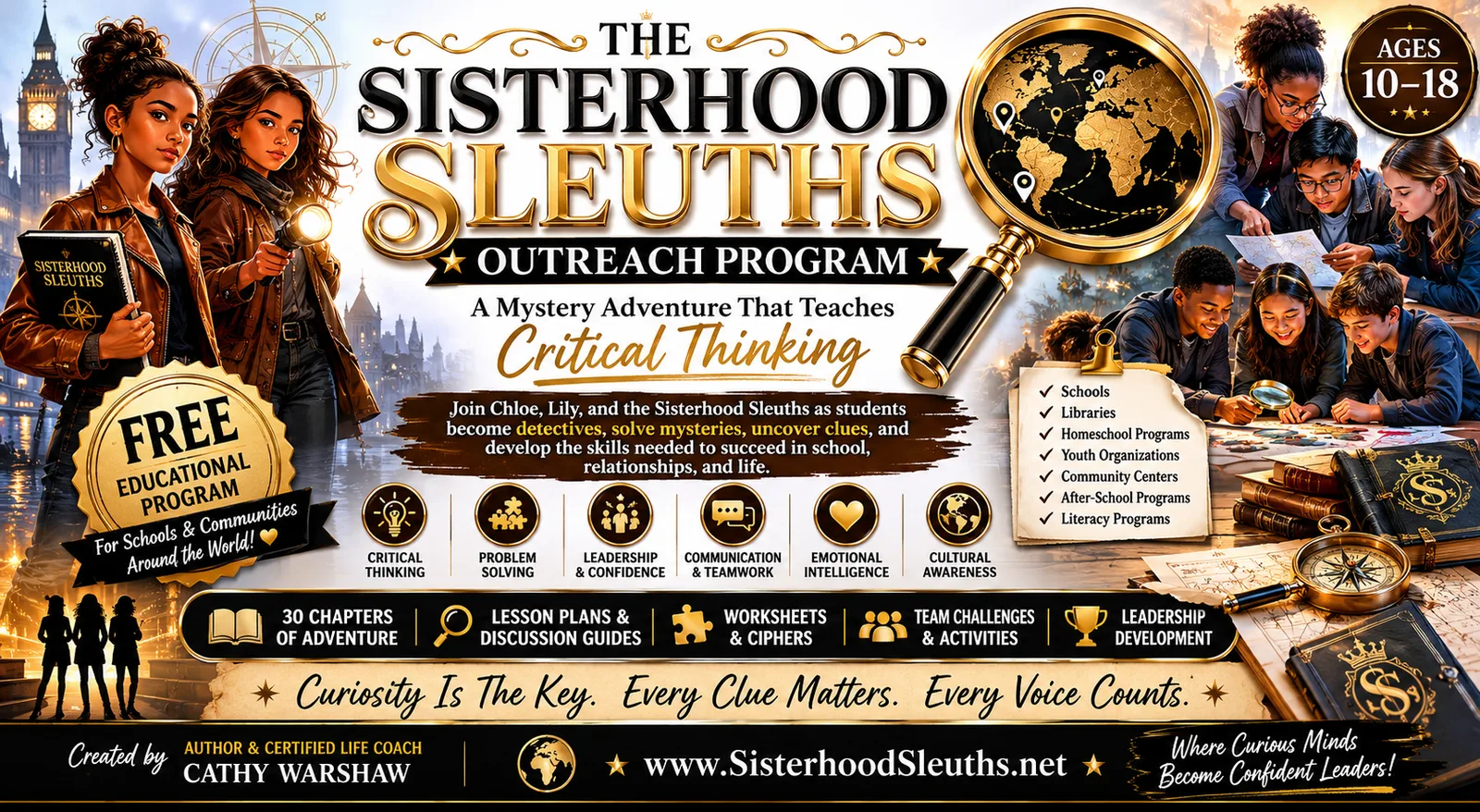
If you're looking to explore more stories that combine puzzle-solving adventure with genuine character development, Sisterhood Sleuths creates mystery stories specifically designed for this age group that balance thrills with meaningful moments of discovery.
What Makes a Mystery Book Work for This Age?
Clues that matter. A book works when readers can actually piece things together. Not every clue is obvious, but the important ones are planted where an attentive reader will find them. Your 12-14 year old should feel like they're investigating, not just watching someone else solve the puzzle.
Characters worth caring about. The mystery pulls you in, but the character keeps you reading. Does the protagonist remind you of someone you know? Do they have fears that feel real? Are they funny or brave or stubborn in ways that matter? When you care about who's solving the mystery, you care about whether they succeed.
Pacing that doesn't quit. This age group has options. If a book drags, they'll pick up something else. The best mystery books for this age move. Chapters end with questions. New information arrives steadily. You're never stuck waiting for something to happen.
A world you want to inhabit. Whether the setting is a Victorian mansion, a modern city, a small town, or somewhere completely imagined, the world should feel detailed and real enough to picture yourself there. The specifics matter. The small moments matter.
Mystery Books That Pull in Reluctant Readers Too
Not every 12-14 year old is racing through novels. If you're trying to find something that grabs someone who doesn't usually pick up books, animal-centered mysteries and high-action plots are your friends. A story about solving a mystery involving animals or nature can feel less intimidating than purely character-driven narratives. Action keeps pages turning when dialogue might slow things down.
The key is finding the hook that's personal. Does this reader love puzzles or codes? Recommend something with a cipher to crack. Do they like animals? Look for mysteries with nature-based plot lines. Are they drawn to history? Historical mysteries click for a lot of tweens and teens because there's real historical detail layered into the puzzle.
Choosing Between Standalone and Series
Here's the honest truth: it depends on what the reader needs in that moment.
Pick a standalone if: They want a satisfying ending they can finish quickly, they're exploring what kinds of mysteries appeal to them, or they're not sure they'll love it yet. One book is a low-pressure invitation.
Pick a series if: They loved the first book, they want to keep spending time with characters they've grown attached to, or they like knowing what to expect from their next read.
Honestly, you can't go wrong with either. A reader who finishes one great mystery book will keep reaching for more. That's the whole goal.
Gifting Mystery Books to the Right Reader
Milestone birthdays like 12 or 13 are perfect moments to give a mystery book. It signals that you see this reader as someone capable of solving puzzles, noticing details, and thinking critically. That's a meaningful gift.
The best approach is knowing something about what this reader loves. Do they like humor? Look for a mystery with clever writing and funny moments. Do they love historical settings? Target a mystery set in an era they're fascinated by. Are they competitive or logical? Find one with an intricate puzzle to unravel.
When you're building a collection of mystery books for a young reader in this age group, consider mixing it up. Include a classic alongside something newer. Add a standalone and a series. This gives them options and shows you understand that different moments call for different kinds of stories. Sisterhood Sleuths explores exactly this kind of variety, combining adventure-based storytelling with interactive experiences that deepen critical thinking.
Ask a Question?
Building the Habit of Mystery Reading
Once a young reader catches the mystery bug, they'll keep hunting for the next one. The goal isn't to push them toward specific books but to create an environment where they're curious about mysteries. Leave books on the coffee table. Talk about the mysteries you're reading. Ask them what they think happens next. Wonder out loud about clues.
A reader who sees adults treating mysteries as important—worth discussing, worth thinking about—will naturally gravitate toward them. Mystery reading becomes a shared language, not just homework.
The absolute best part about this age group and mystery books is the moment you see them completely absorbed. Phone forgotten. Snack getting cold. Eyes moving fast because they need to know what happens. That's curiosity at work. That's a reader building confidence in their own ability to notice details, ask questions, and think through problems.
Pairing Books with Interactive Learning
Some readers want more than just a story. They want to investigate alongside the characters. They want to crack codes, follow timelines, and piece together evidence themselves. That's where interactive mystery experiences make such a difference. Instead of just reading about a mystery being solved, they become part of the investigation.
When you're looking for ways to deepen the mystery-reading experience—whether through companion activities, puzzles, or storytelling that involves reader participation—the goal is to honor that curiosity. These young readers aren't just passive audience members. They're thinking, noticing, and ready to engage.
What if my 12-14 year old thinks they don't like reading?
Mystery books are actually one of the best entry points for reluctant readers. The pacing is usually fast, the stakes feel real, and there's a payoff at the end. Start with a book with a premise that connects to something they already care about. If they love true crime documentaries, try a contemporary mystery. If they like nature programs, try an animal or outdoor mystery. The hook matters more than genre.
Are classic mystery series still worth reading in 2026?
Absolutely. Books like "The Mysterious Benedict Society" and "The Westing Game" are classics because the puzzle-solving is genuinely smart and the character development holds up. Readers in 2026 appreciate that these books trust them. Plus, there's something special about discovering a book that's meant so much to readers across decades.
How long should a mystery book be for this age?
The length matters less than the pacing. Some mystery books for this age are 200 pages of pure plot momentum. Others are 400 pages because the world-building and character detail are worth every page. A reader who's hooked won't notice length. The real question is: does this book keep them turning pages?
Can mystery books help with critical thinking skills?
That's exactly what they do. When you're reading a mystery, you're predicting, analyzing clues, noticing inconsistencies, and revising your theories. You're thinking like an investigator. Those skills transfer to every subject and every situation. Critical thinking isn't something taught in isolation. It's built through practice, and mystery books make the practice feel like an adventure instead of a lesson.
Ask a Question?



Comments