
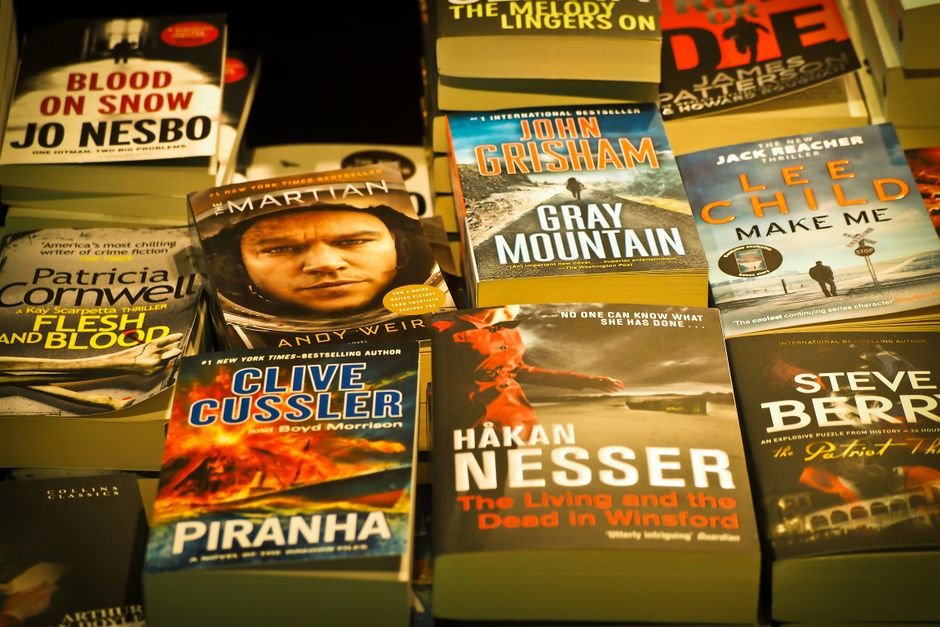
Thriller Books to Read: Fast-Paced Stories That Hook You

If you're hunting for thriller books to read that you absolutely can't put down, you've got more options than you might think. The thriller genre isn't just one thing—it branches into psychological mind-benders, crime mysteries, legal puzzles, and spy adventures. Each one scratches a different itch. Some make you question what's real. Others build tension so thick you feel it in your chest. And the best ones? They hit you with a twist you never saw coming.
Let's explore what makes thrillers so addictive, and find your next favorite read.
What Makes a Thriller Worth Reading?
A thriller grabs you and doesn't let go. It's the genre that makes you stay up way past bedtime because you need to know what happens next.
The core of every page-turning thriller is this: something dangerous is happening, and the stakes keep climbing. Maybe a person vanishes. Maybe a secret could destroy a family. Maybe someone you trusted isn't who you thought they were. The tension builds because information is hidden, revealed slowly, and sometimes turned inside out.
Thrillers use specific tricks to keep you hooked:
Fast pacing. Scenes move quickly. Chapters end on cliffhangers. You feel rushed forward.
Unreliable narrators. The person telling the story might be lying—even to themselves. You can't trust everything they say, and that's the whole point.
Multiple perspectives. You see the story through different eyes, and each version contradicts the others. Puzzle pieces that don't fit yet.
Plot twists that land. Not just shock for shock's sake, but reveals that make you re-read earlier chapters and gasp.
What thriller books to read comes down to which of these elements speaks to you most.
Psychological Thrillers: When Your Mind Is the Puzzle
Psychological thrillers live inside people's heads. They explore family secrets, obsession, unreliable memory, and characters who aren't what they seem.
What makes psychological thrillers different is that the danger often isn't just external. It's internal. The threat might be a family member. A trusted friend. Or even yourself, because you're questioning your own mind.
These stories often deal with missing persons, domestic secrets, and morally complicated characters who do things that make you think: would I have done that? Should I judge them? What if I'm wrong about everything?
The pacing in psychological thrillers is different too. Instead of constant action, tension builds through small moments—a weird conversation, a detail that doesn't add up, a character's odd reaction. By the end, everything you believed is upended.
If you want to dive deeper into how stories can twist your perception and develop your critical thinking skills, Sisterhood Sleuths explores these narrative techniques through interactive mystery stories designed for curious readers like you.
Crime Fiction and Murder Mysteries: Following the Clues
Crime thrillers put you in detective mode. There's a crime—usually a murder—and the puzzle is figuring out who did it and why.
What makes crime thrillers tick is the investigation. You follow clues alongside the characters. Some clues point one direction. Others contradict them. The best crime thrillers give you just enough information to form a theory, then pull the rug out from under you.
Japanese crime fiction, for example, brings a different flavor to the genre. Different cultural perspectives on justice, family honor, and crime create stories that feel fresh and surprising even if you've read hundreds of thrillers before.
Crime thrillers are satisfying because they reward paying attention. You can actually solve the puzzle if you notice the details. That's why they're perfect for readers who love puzzles, ciphers, and the feeling of piecing something together yourself.
Spy Thrillers: High Stakes and Global Adventure
Spy thrillers operate on a bigger stage. The stakes aren't just personal—they're international. Countries clash. Secrets could change everything. Double agents complicate every relationship.
Classic spy novels set the template, but modern spy thrillers add complexity. Characters aren't purely good or bad. Loyalties shift. Trust becomes a weapon.
What makes spy thrillers work is momentum. You're racing against time. Spies are chased, hunted, and trapped. They have to stay ahead of enemies—and sometimes their own government.
These stories expand your world. They introduce you to different countries, cultures, and political systems. They make you think about perspective: from one government's view, the hero is a traitor. From another's, they're a liberator. That complexity is what makes spy thrillers so fascinating.
Legal and Medical Thrillers: Expertise Meets Danger
Legal thrillers put you in a courtroom where truth becomes a weapon. A lawyer uncovers a conspiracy. Evidence is hidden. The system itself might be corrupt.
Ask a Question?
Medical thrillers do something similar inside hospitals and laboratories. A doctor discovers something horrifying. Patients aren't who they seem. Science becomes sinister.
What these genres share is expertise. The protagonist knows their field deeply, and that knowledge is what lets them uncover the truth. You don't need to be a lawyer or doctor to follow the story, but you do learn how these worlds actually work.
These thrillers appeal to readers who like to understand systems—how things work, where they break, how people exploit the gaps. They reward curiosity and critical thinking.
How Plot Structure Creates Suspense
The best thriller books to read use structure as a tool. Many don't follow a straight timeline.
A non-linear structure means you might read a scene from the end of the story first, then jump backward. You see the aftermath before you understand what led to it. That creates questions: how did we get here? What was the character thinking? This structure keeps you guessing and makes you piece together what really happened.
Strategic information reveals matter too. The author holds back key details, feeding you information in a specific order. You learn something shocking, then immediately see a previous scene in a new light. That re-reading—mentally going back to earlier chapters and seeing them differently—is part of the thriller's power.
The best thrillers combine mystery and character development. It's not just about what happened. It's about who these people are and why they made the choices they did. You care about them even when they're doing terrible things. That emotional investment is what makes you unable to put the book down.
Finding Your Next Thriller: Where to Start
With so many subgenres, how do you know which thriller books to read?
Start by asking yourself: what confuses you? What makes you curious? Do you love puzzles and want to solve crimes? Then crime fiction is your lane. Do you question people's motivations and wonder what's hiding beneath the surface? Psychological thrillers will fascinate you. Are you drawn to big-picture stakes and global adventure? Spy thrillers will pull you in.
You might discover that you love one subgenre deeply, or you might enjoy bouncing between them. That's the beauty of thrillers—there's space for every type of curiosity.
If you're looking to explore mystery and critical thinking through interactive stories specifically designed for young readers, Sisterhood Sleuths combines adventure-based learning with the kind of plot twists and puzzle-solving that thriller fans love.
What Makes You Keep Reading?
The real magic of thriller books is that they train your brain. Every plot twist teaches you to question. Every unreliable narrator teaches you to look for hidden motivations. Every puzzle makes you better at noticing details.
When you read thrillers, you're not just entertaining yourself. You're developing critical thinking. You're learning to ask questions, spot inconsistencies, and think from multiple perspectives. That's a superpower that helps you everywhere—in school, in friendships, in understanding the world.
The genre rewards curiosity. It celebrates readers who pay attention, who notice small details, who ask "but why" and keep digging. Every clue matters. Every character's motivation deserves investigation.
So which thriller books to read? The ones that make you wonder. The ones that keep you awake. The ones that make you see the story differently when you reach the end. Those are your thrillers.
Frequently Asked Questions
What's the difference between a thriller and a mystery?
Great question. In a mystery, you're trying to figure out what happened—usually who committed a crime. In a thriller, you often know (or suspect) what's happening; the tension comes from wondering if the characters can stop it or survive it. Mysteries are puzzles. Thrillers are races against time. Though plenty of great books blend both.
Are thrillers only for adults?
Not at all. Young adult thrillers exist and they're fantastic. The difference is usually in content—less graphic violence, more focus on character and emotion. But the core elements that make thrillers work—tension, pacing, plot twists, characters under pressure—absolutely work for teen readers. Your brain develops critical thinking the same way.
How do I find thriller books I'll actually like?
Start by exploring the subgenres. If one synopsis makes you more excited than the others, follow that instinct. Also pay attention to what confuses or fascinates you in real life. Are you curious about how people lie to themselves? Psychological thrillers. Fascinated by how systems can be corrupted? Legal or medical thrillers. Drawn to international perspectives and high stakes? Spy thrillers. Your natural curiosities point you toward your favorite reads.
Can thriller books be character-driven?
Absolutely. The best ones are. Fast pacing and big twists only land if you care about the people they happen to. Character-driven thrillers make you understand why someone makes a terrible choice or risks everything. You might not agree with them, but you understand them. That emotional connection is what makes you unable to stop reading.
Ask a Question?





Comments